

 English - EN
  繁體 - ZH-TW
  简体 - ZH-CN
  Español - ES
  日本語 - JA
  العربية - AR
  Русский - RU
  Français - FR

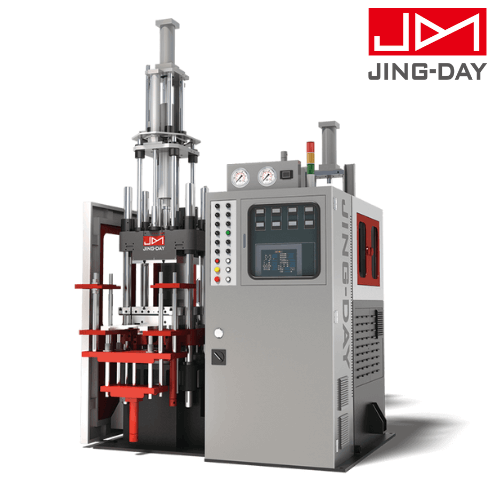
Liquid Silicone Injection Molding Machine
产品分类 : 硅胶注塑机
This series of models is suitable for automobile parts, medical equipment, baby products, precision electronics, food containers and other products. Effectively reducing process times and increasing production capacity. PLC and HMI functional control as standard specification. The injection system used a three-stage pressure system and four speed transmission, proportional loop control, accurate precision injection volume with less than 0.5% difference, simple and convenient for operation. The acquisition loop hydraulic system with electronically controlled operation and a choice of using a servo motor for energy saving. Plunger feeding system, accurate AB material proportions, uniform mixing (transparency / tensile / uniform color), can improve product quality yield rate. Touch screen operation system, easy to setup, precise control, with 200 memory module settings. High-precision machining equipment make high quality liquid silicone products with a stable and high production rate.
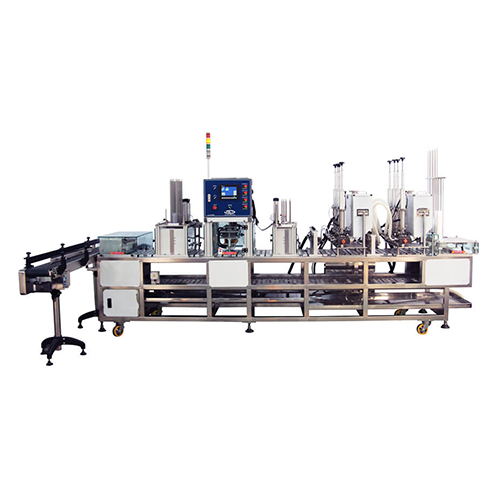
全自动连续式封口机-ET-22
产品分类 : 封口机
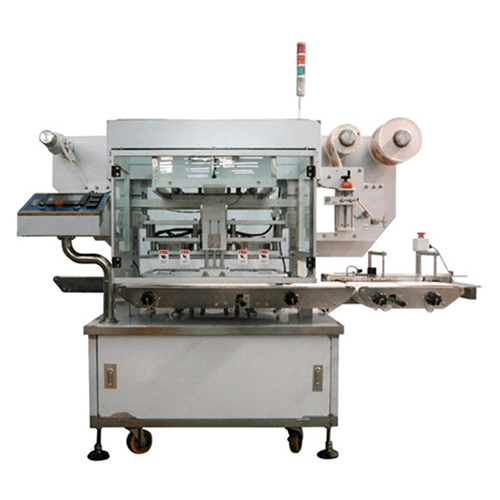
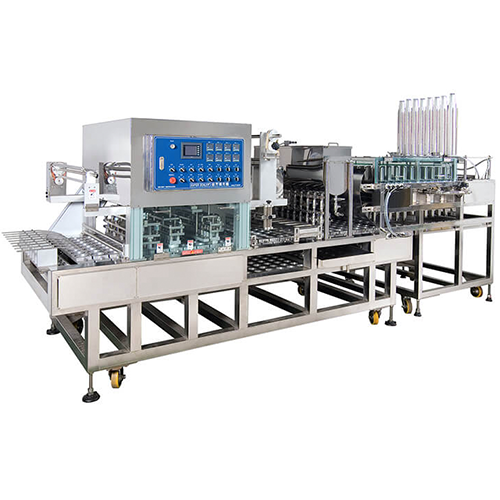
利用ET-66自动封口机系列的工程技术理念基础及优点,发展出ET-22系列封口机。此一机种的特色是在节省空间的前提下,仍提供较大的产能并可搭配不同附加功能,使本机种的价值更加提升

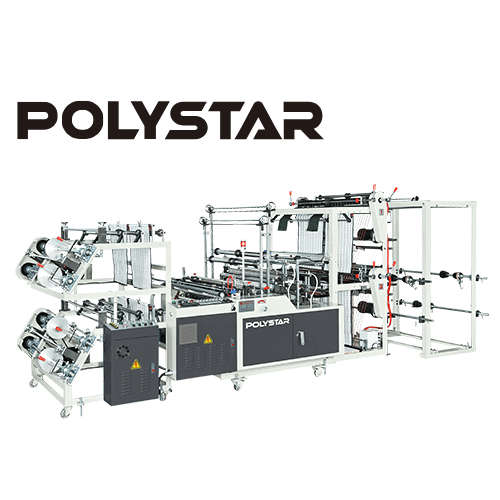
微孔袋制袋机:PM
产品分类 : 塑料制袋机
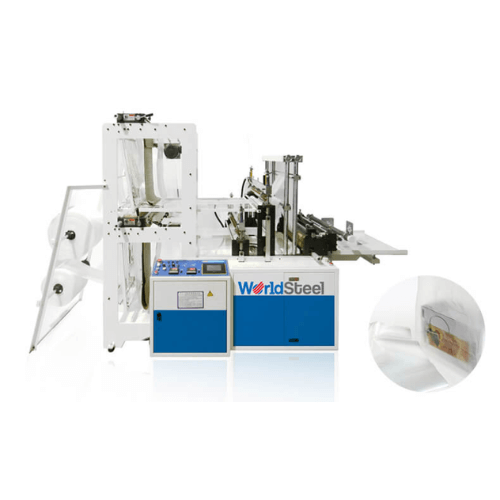
Bag on roll making machine produces bottom sealed and with perforation seal plastic bag on roll. The bottom sealing device and perforation knife are specially designed for HDPE/LDPE/LLDPE films. Maximum 4 rolls can be fed into the machine. The machine is able to produce maximum 480pcs of bag in one minute.

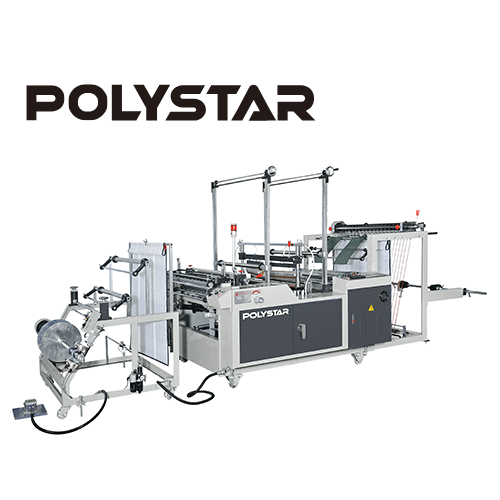
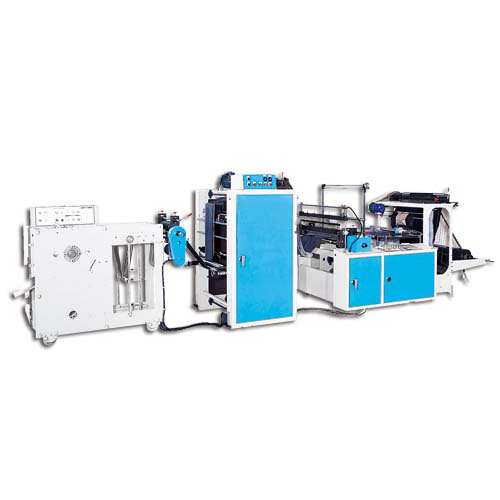
PVC自动秤料输送系统
产品分类 : 物料输送与储存设备
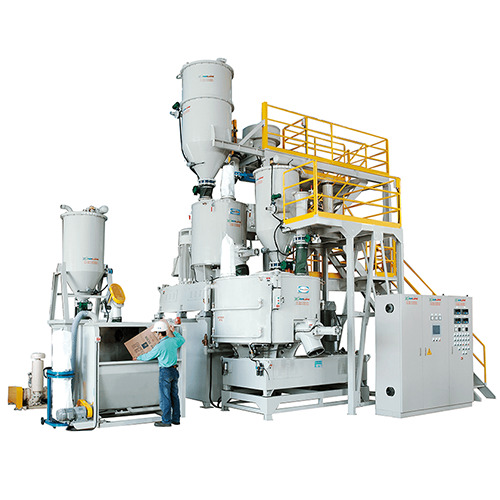
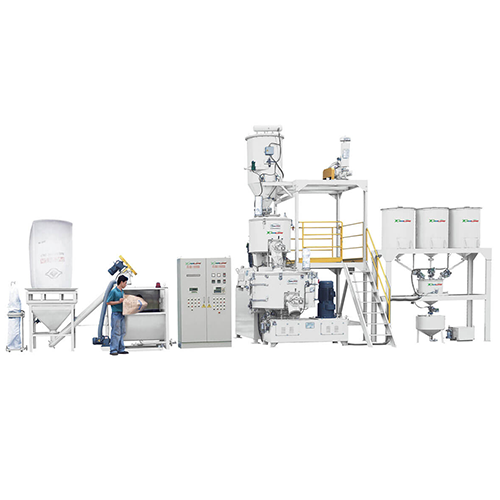
In addition to storing barrel for Vacuum packages and storage function, this unit automatically handles powder package conveying, featuring easy operation, and avoiding the need to carry and add raw material at Mixer operation platform. It also prevents dust leakage saves labor and time, and helps reduce processing cost. An environment-friendly and economic conveyor system that can increase the productivity by 30%, this is the ideal model for the plastic industry.
FILM/GLASS自动送料贴膜机ALM-700
产品分类 : 切割机
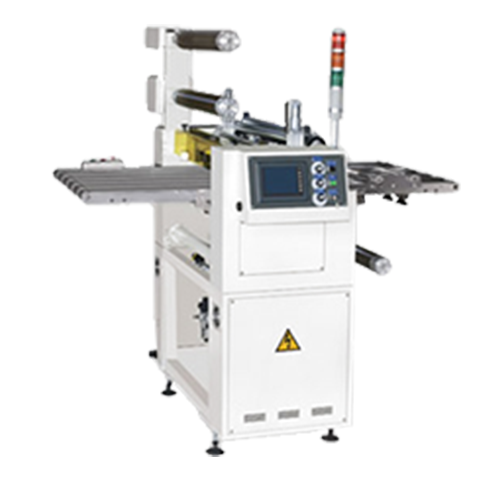
Unique feeder mechanism to enable lamination and processing by operators without having to keep up with machine operating speed. Unique, exclusive, patented film laminating mechanism to ensure no air bubbles after lamination process. Automatic cutting mechanism is capable of having a specified length programmed for cutting operation. Laminating length and speed can be programmed and adjusted to suit actual requirements. Singe-side or double-side protective films can be laminated to suit actual requirements. With pattern paper recoil function to automatically recoil the pattern paper. Optional roll to roll or roll to sheet lamination.