

 English - EN
  繁體 - ZH-TW
  简体 - ZH-CN
  Español - ES
  日本語 - JA
  العربية - AR
  Русский - RU
  Français - FR
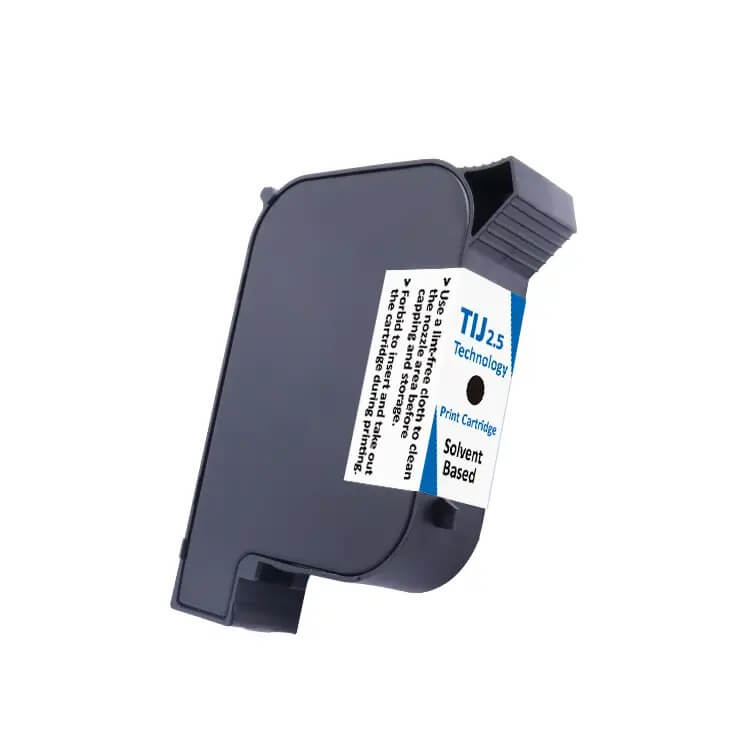
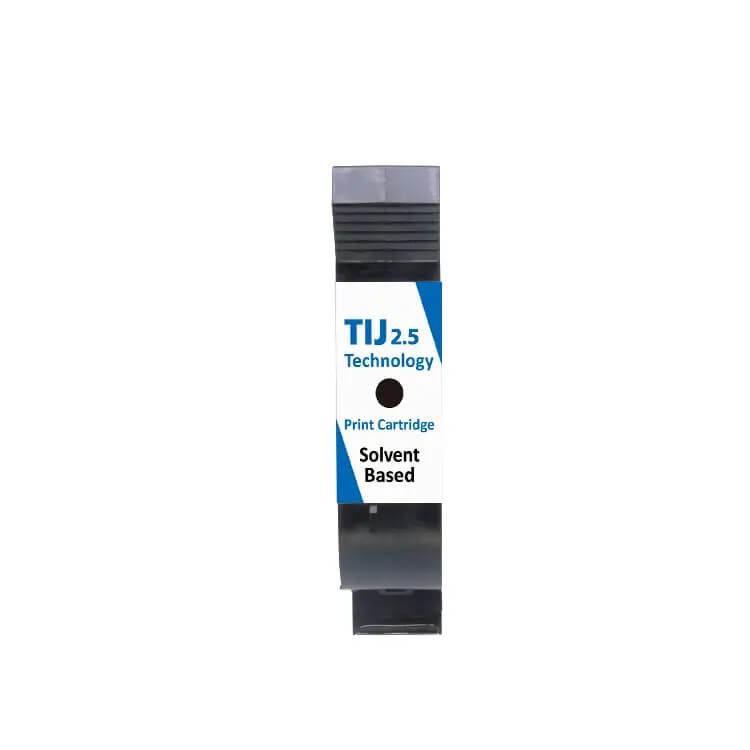

UP-S45WK
Print dates, batch numbers, expiry dates and similar markings onto white or light-coloured bottles, labels, colour boxes and transparent films.
Please note: black is not recommended for black plastics, dark rubber or dark painted parts. For these surfaces, please evaluate white or yellow solvent ink instead.
Solvent-Based
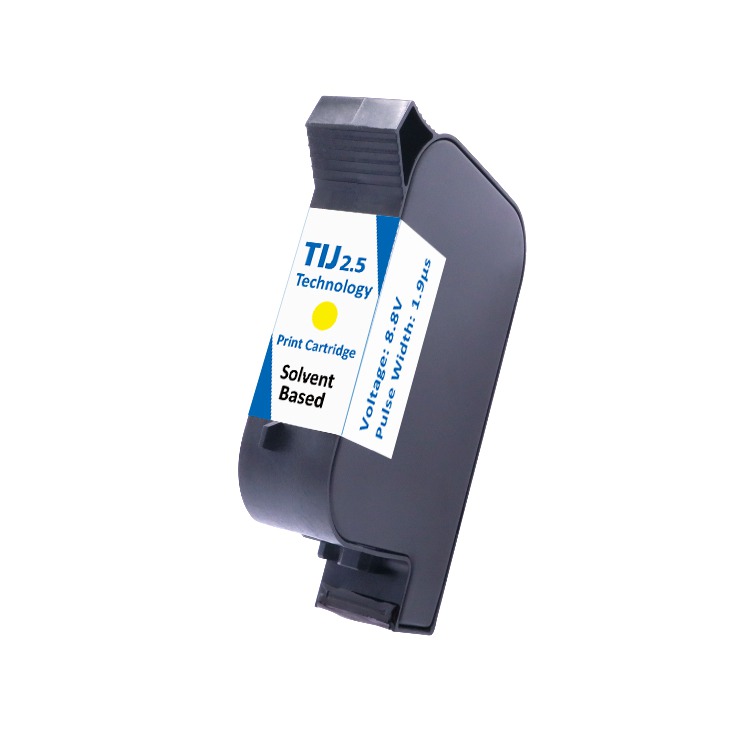
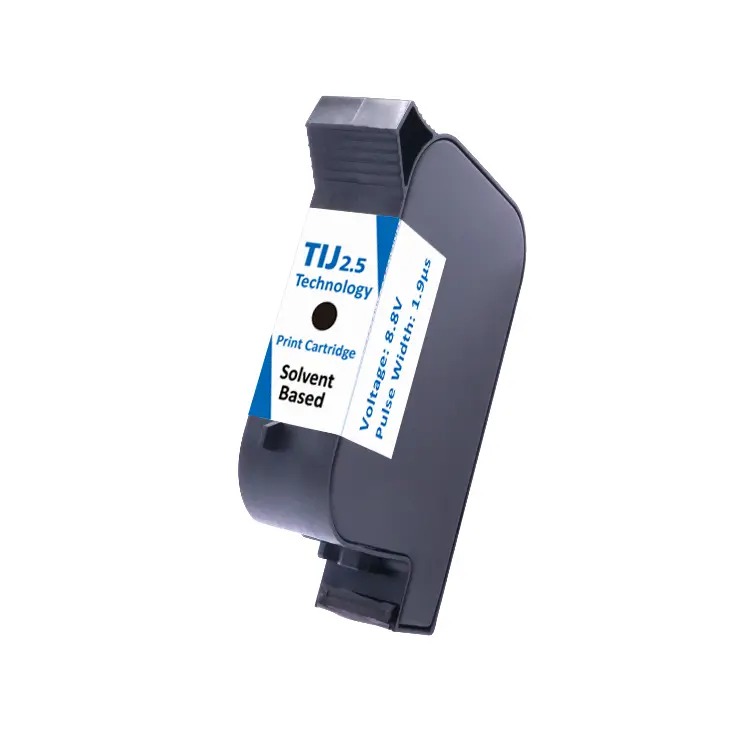
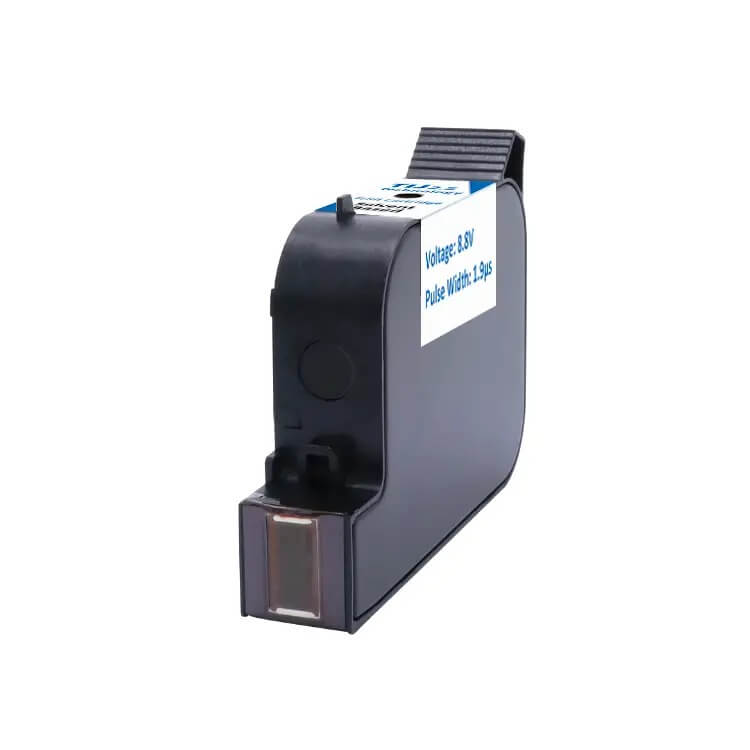
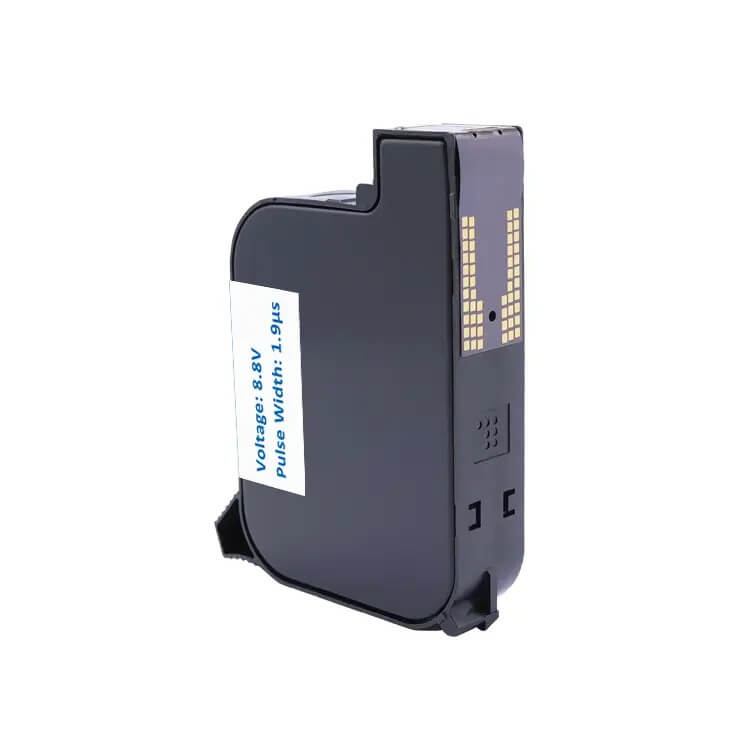
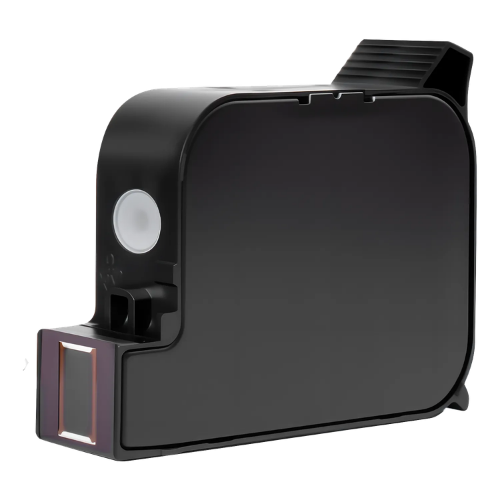
UP45 Half-Inch 42 ml Black Solvent-Based TIJ Industrial Ink Cartridge
Compatible with HP 2580/2590|High Contrast for Barcodes, Dates and Batch Codes
Product Features
The UP45 half-inch black solvent-based cartridge combines high colourant concentration with a fast-drying formulation, delivering maximum light-to-dark differentiation on white and transparent packaging while keeping barcode module boundaries intact at up to 600 DPI. It is the first choice for most factories introducing TIJ coding.
Product Specifications
| Product Name | UP45 Half-Inch 42 ml Solvent-Based TIJ Industrial Ink Cartridge (Black) |
|---|---|
| Printing Technology | TIJ 2.5 Thermal Inkjet Technology |
| Ink Type | Solvent-Based |
| Capacity | 42 ml |
| Print Height | Half inch / 12.7 mm / 1.27 cm |
| Dimensions | 9.5 x 6 x 2 cm |
| Weight | 121 g |
| Print Resolution | Up to 600 DPI |
| Drying Time | 2 to 5 seconds (varies with substrate and ambient temperature) |
| Compatible Equipment | Non-encrypted handheld inkjet printers/inline TIJ coders |
Advantages of the UP45 Half-Inch Black Solvent Cartridge
- Maximum Visual Contrast on Light-Coloured Packaging
Black ink delivers high contrast values on light labels, glossy coated paper and transparent films, helping codes pass barcode quality grading and reducing repeat scans and manual re-entry at the logistics end.
- One Colour Covers Most Coding Requirements
Dates, batch numbers, expiry dates and traceability codes can all be handled in a single colour. One part number serves across sites and production lines, which also reduces the chance of picking up the wrong colour on the floor.
- Consistent Print Quality at High Conveyor Speeds
The surface tension and evaporation rate of the black formulation help avoid broken lines, missing strokes and trailing tails on high-speed production lines, making it well suited to high-output applications in food and beverage, household goods and packaging conversion.
Substrates Suited to Black
Black is the most broadly applicable colour in the solvent-based series. As long as the print surface is white, transparent or a neutral light shade, it will usually give sufficient reading contrast.
Commonly printable surfaces:
- Plastics: PET, HDPE, LDPE, ABS, PP, PVC, PS foam, PO, nylon, PC and acrylic (white and transparent bases work best)
- Films: OPP film, transparent and light-coloured flexible plastic films
- Metals: iron, steel, aluminium, aluminium foil, galvanised steel and laminated metal
- Glass: transparent and light-coloured glass bottles and jars
- Paper: laminated paper, glossy coated paper, white card and kraft cartons
- Wood, leather and selected synthetic materials
Please note: black is not recommended for black plastics, dark rubber or dark painted parts. For these surfaces, please evaluate white solvent ink or yellow solvent ink instead. When printing on transparent film, actual legibility depends on the colour of the contents behind the film—dark contents will swallow black characters into the background. Surface material, coatings, temperature and humidity all influence adhesion and drying performance. We recommend sample testing before full production to confirm the most suitable ink formulation and equipment parameters.
Black vs. White Solvent Ink Cartridges Comparison
Black and white sit at opposite ends of the contrast scale; choose according to how light or dark the printing surface is.
If the surface to be printed is black plastic, dark rubber or amber glass, please evaluate the white solvent-based ink cartridge instead.
| Black (this product) | White | |
|---|---|---|
| Suitable background colours | Light and neutral shades such as white, transparent and kraft | Dark shades such as black, navy and dark brown |
| Barcode applications | Best contrast; suited to demanding scan quality requirements | Depends on the substrate; sample testing recommended first |
| Typical scenarios | White bottles, labels, colour boxes, transparent films | Black cables, dark plastic parts, amber bottles |
Compatibility Check
The half-inch black solvent-based ink cartridge is compatible with most non-encrypted half-inch coding systems on the market. Besides replacing the common HP 2580 and HP 2590 cartridges, it also suits a wide range of handheld and inline TIJ coders.
Purchasing scenarios suited to the black cartridge:
When line speeds increase, barcodes are usually the first thing to fail: ragged edges, modules bleeding into one another, scanners unable to read the code, and a whole batch that has to be relabelled. This is not always an equipment problem—often the ink's contrast and drying speed simply cannot keep up with the conveyor.
Food, beverage and household goods plants that need to pass barcode quality inspection; electronics and automotive parts suppliers facing customer audits on marking legibility; and manufacturers introducing TIJ coding for the first time who want to build their SOP around a single colour. It also suits packaging plants, system integrators, coding equipment suppliers and international distributors that need stable long-term supply.
Use and Storage Recommendations
Storage conditions:
- Avoid direct sunlight
- Keep away from environments with excessive dust
- Do not store upside down for extended periods
Usage:
- When pausing use, refit the cartridge into its protective clip so the printhead is not left exposed for long periods
- Use within six months of opening
- Even with no immediate printing requirement, run a test print roughly every two weeks to extend cartridge service life
- When changing colours, remove the original cartridge and store it separately; never mix inks of different colours in the same cartridge
- Ink is not edible. Keep out of reach of children; avoid contact with skin and eyes and rinse promptly with clean water in case of contact
FAQ
Why do most production lines choose black when introducing TIJ coding?
Three reasons: the best contrast, the widest applicability and the lowest management overhead.
Black achieves sufficient reading contrast on the vast majority of light-coloured packaging in one go, with no need to re-evaluate colour choice for every package type, and a single part number covers routine needs such as dates, batch numbers and barcodes.
How do I improve black printing that is hard to read on transparent film or dark packaging?
If black characters on transparent film are unclear, first establish whether this is a background problem or a printing problem. Usually the contents behind the film are dark in colour, so we suggest moving the print position to a white printed area or a label area on the packaging.
If the print surface itself is black plastic or dark rubber, the contrast is physically insufficient. In that case we recommend switching to white solvent ink (better opacity) or yellow solvent ink (the greatest difference in brightness), then comparing legibility using samples printed on your actual material.
Can black markings be wiped off easily by water or cleaning agents?
Once the solvent evaporates, the colourant bonds firmly to the material surface with water and abrasion resistance, so markings are not easily wiped away by water or blurred by friction during normal warehousing, cold chain transport and handling.
Do note that alcohol and some solvent-based cleaning agents may still remove content on certain materials, depending on the actual substrate printed. If your products go through a wiping process before shipment, we recommend testing with your real cleaning procedure first.
Black
相关产品 / 勁宇科技股份有限公司
Uniplus TIJ 溶剂墨水
一寸空墨盒
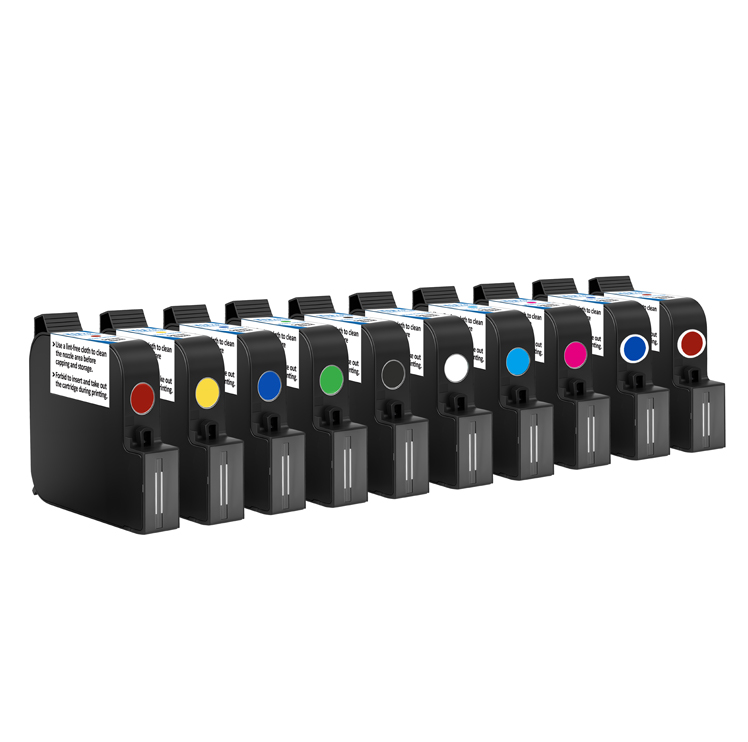
半寸空墨盒
1-Inch 60ml Solvent TIJ Cartridge | Uniplus
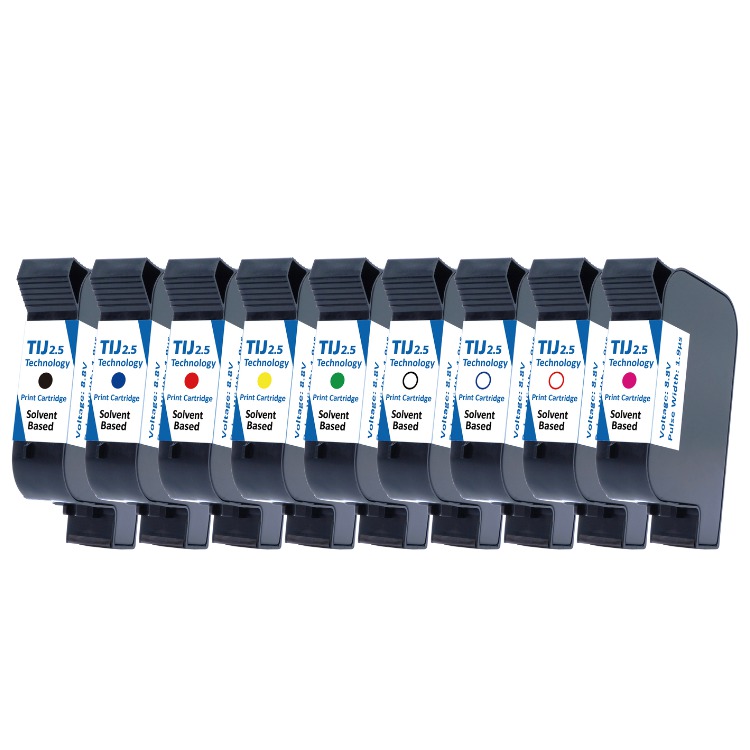
Half-Inch Solvent TIJ Cartridge Series
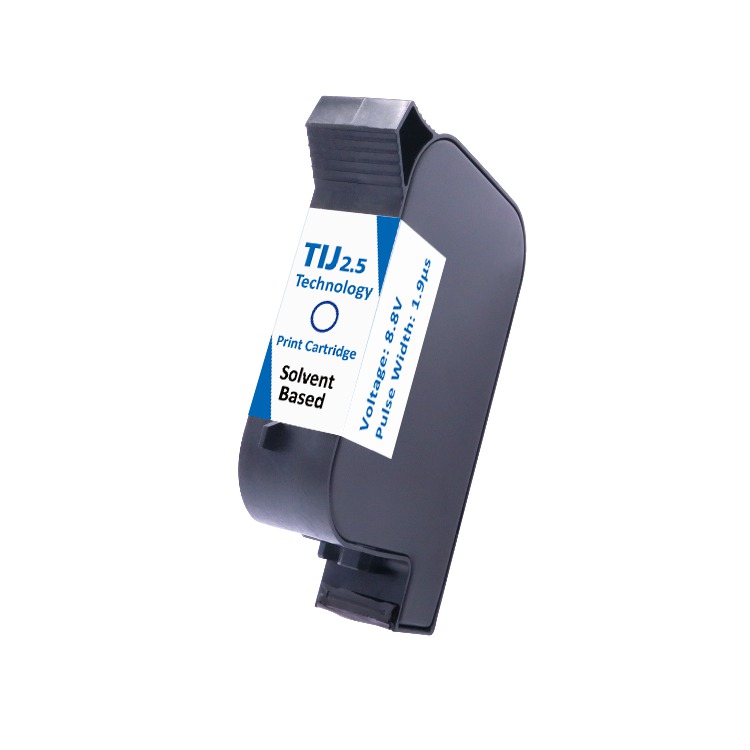
Invisible Blue Solvent TIJ Cartridge
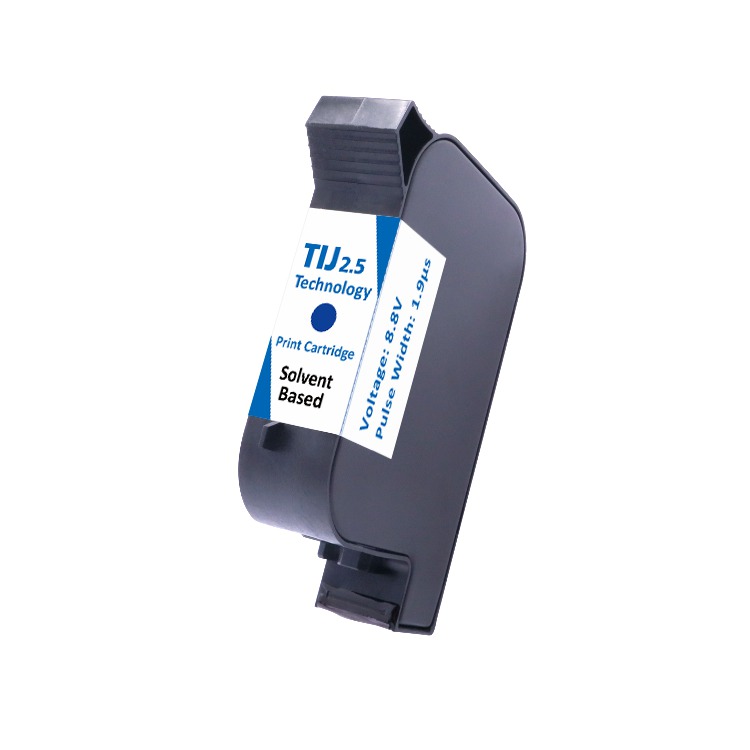
Blue Half-Inch Solvent TIJ Cartridge
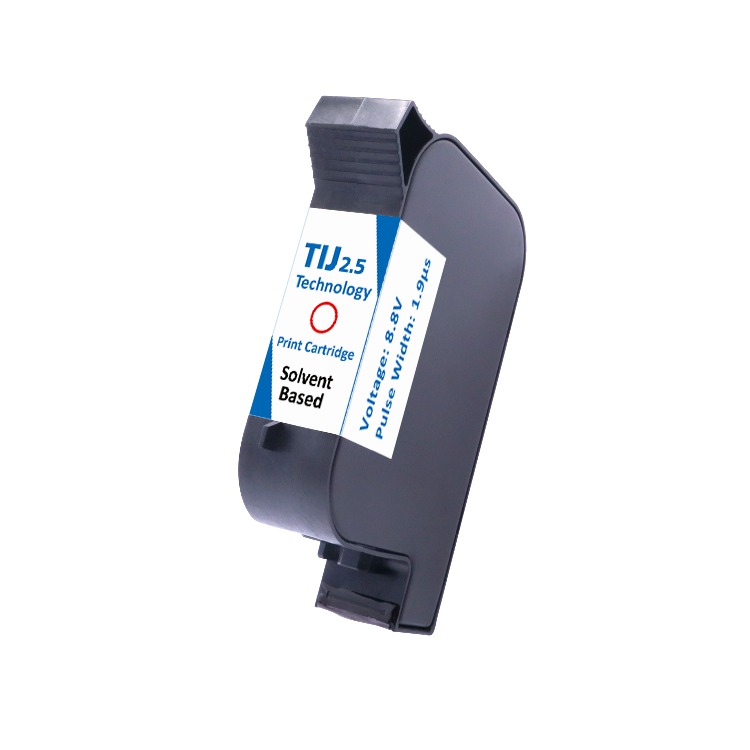
Invisible Red Half-Inch Solvent TIJ Cartridge
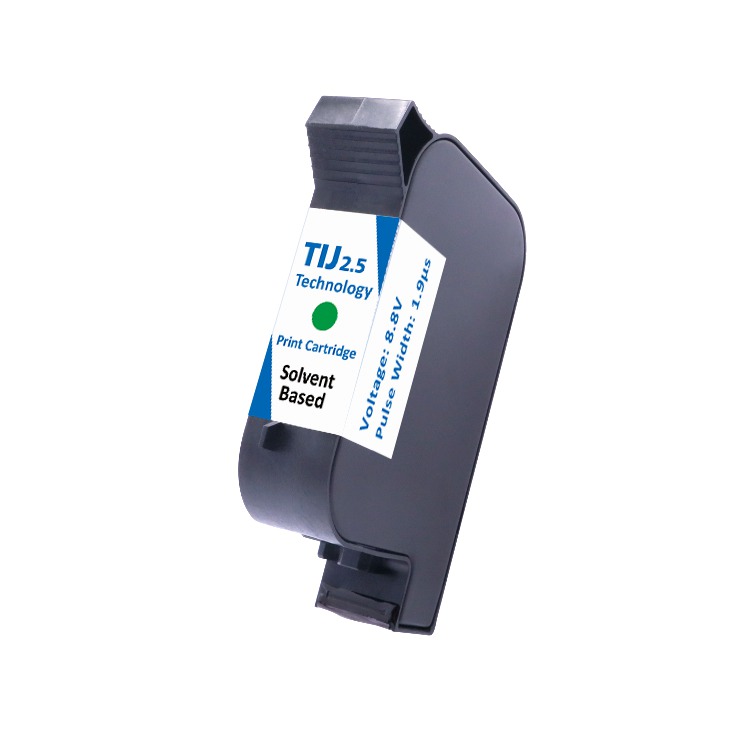
Green Half-Inch Solvent TIJ Cartridge