


 English - EN
  繁體 - ZH-TW
  简体 - ZH-CN
  Español - ES
  日本語 - JA
  العربية - AR
  Русский - RU
  Français - FR
近期更新 立即订阅
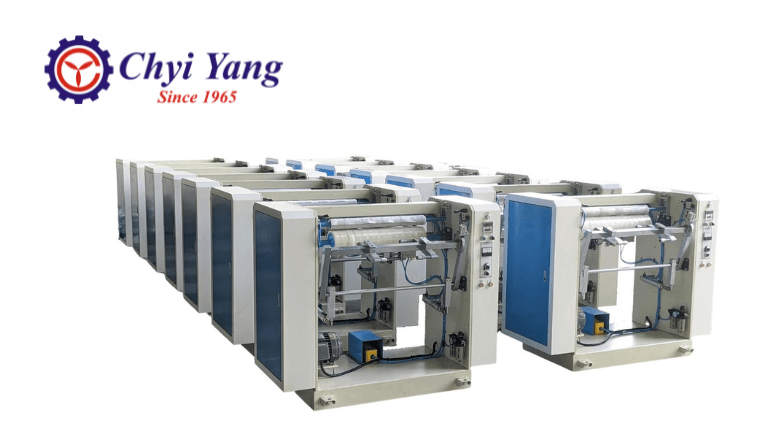
CHINAPLAS Exhibitor Interview: CHYI YANG PE Stretch Film/Cling Film Wrapping Machine
CHYI YANG, the products launched at the exhibition are PE stretch film/cleaning film wrapping machine: RW-1 Series and RW-2 Series. The fully automatic RW-1 series has a rewinding width of 300mm, a length of 30–300M, and a speed of 0–600 (M/Min). Increase work efficiency. The other is the RW-2 series, with a wrapping width of 200-550mm, a wrapping length of 30–1,000M, and a speed of 0–150 (M/Min). These two products can support industrial and food grade cleaning films, and are widely used and trusted.
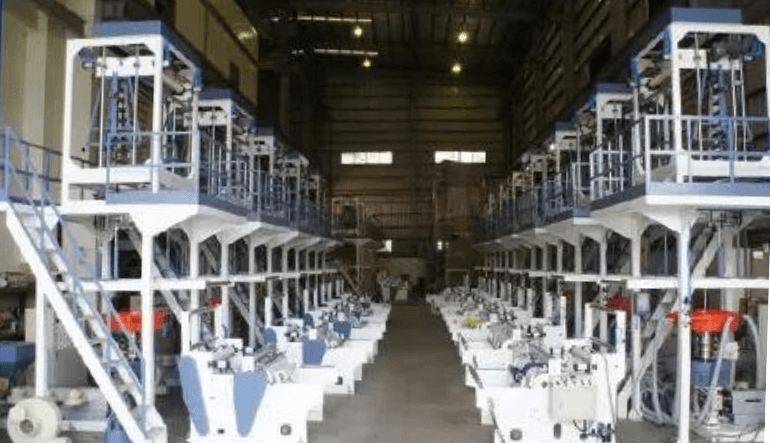
Outstanding Quality Blown Film Machine Gets a Vietnam-listed Company's Favor
One of the listed companies in Vietnam purchased three sets of blown film machine from Chyi Yang 20 years ago. Afterward, in response to enlarged scope of the company and to reduce the cost, they turned to import equipment from China with lower price. However, the quality of film produced from China machine did not meet Japanese customer’s standard and up to 20 freight containers of products were returned in one transaction.
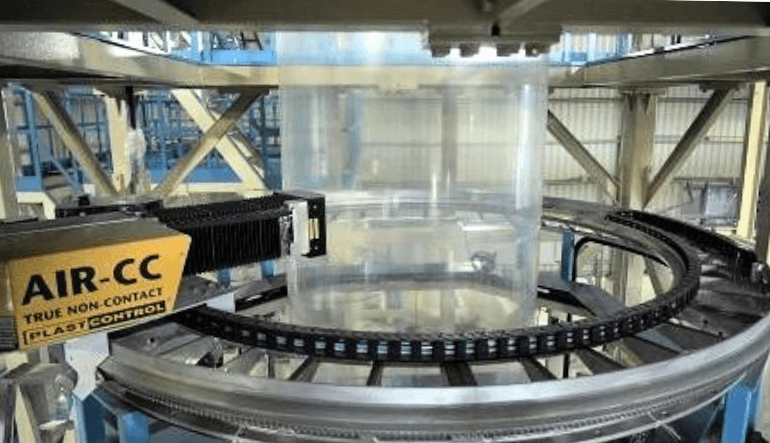
Meet Your Needs for Stable Thickness, High Productivity & Multilayer Quality with CHYI YANG Blown Film Machine
The global ESG trend is forming, and corporate sustainability will become a "standard" for businesses. As the European Union takes the lead in announcing the 2030 carbon reduction target, countries follow suit, and the plastic film industry is also contributing to the trend of sustainable development.
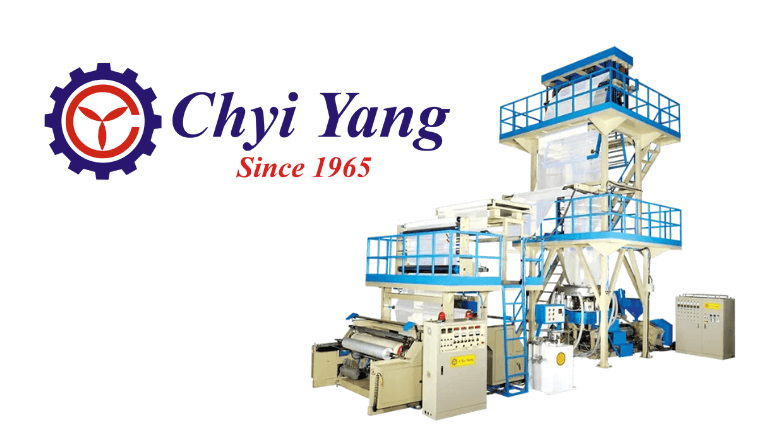
Do You Know the Invisible Champion Who Can Assist You Enter into the Cling Film/Wrapping Film Market with Ease?
How do we make PE cling film that is non-toxic, breathable, and easy to tear and break? Ask Chyi Yang, the company that provides a complete plant solution that enables beginning manufacturers to enter the PE cling film/wrapping film market with just one machine, allowing them to cope with the unpredictable market environment easily.
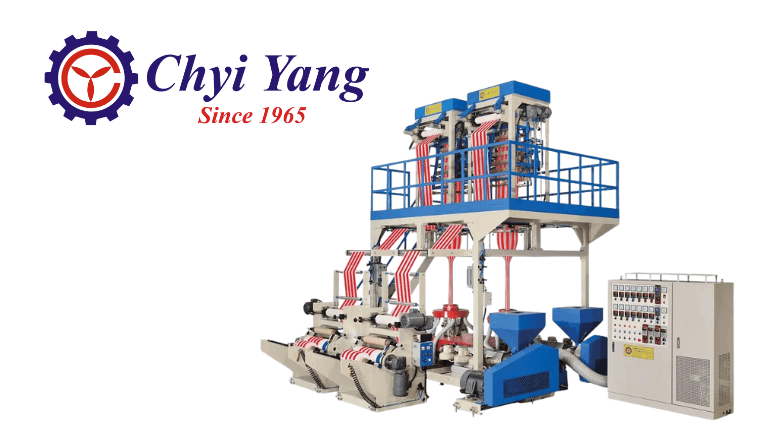
Super High Speed HDPE Capacity Blown Film Machine in Less Space
Chyi Yang showed one set “Two Stripes & Two dies Co-Extrusion Blown Film Machine” in Andina-Pack 2015 Colombia exhibition. This machine is equipped with two dies & two extruders to produce two stripes T-shirt bags for market using. The two 45mm extruders provide two dies to have 2-line film rolls at one time. Forced feeding extruders offer you bigger capacity, the max. capacity is 140kgs/hr. for 550mm film width at 20micron film thickness. You can get max. 70kgs/hr. from each winder, and max. 140kgs/hr. from two winders.
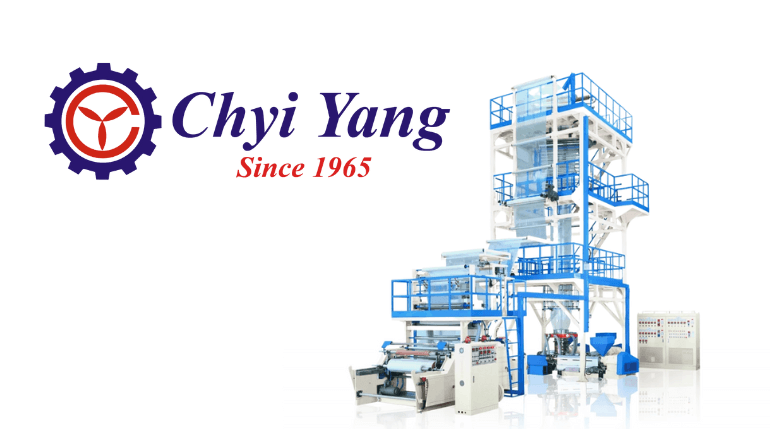
How Can High Quality be Produced Consistently out of Complex Formulations?
The blown film market is evolving in an increasingly fast pace to meet the highly diversified, large-volume and variable material requirements of industries and emerging applications. Bag manufacturers and packaging material producers must use blown film machines with hardness, corrosion resistance, and durability to achieve consistently high yields while maintaining quality. More important goal is meeting the demands in film processing with complex characteristics such as those for agricultural films, cover films, laminated films, grain and dry food packaging, medical packaging and other critical packaging.
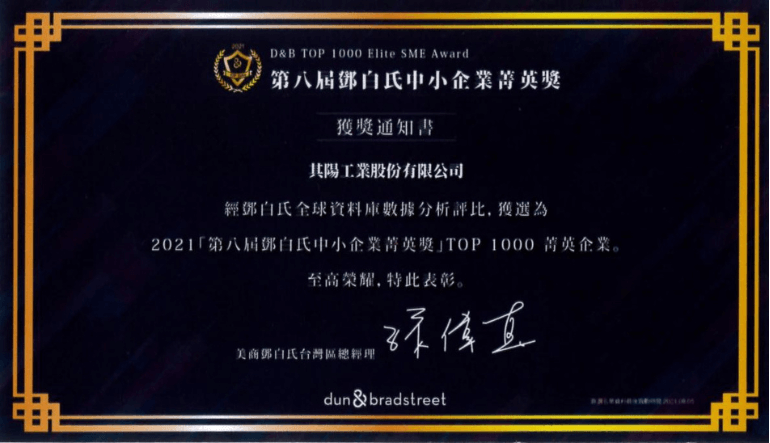
Congratulations to CHYI YANG for Being Awarded the 8th Dun & Bradstreet SME Elite Award
According to the data analysis and evaluation of Dun & Bradstreet's global database, it was selected as the Top 1000 Elite Enterprises in 2021 the 8th Dun & Bradstreet SME Elite Award.
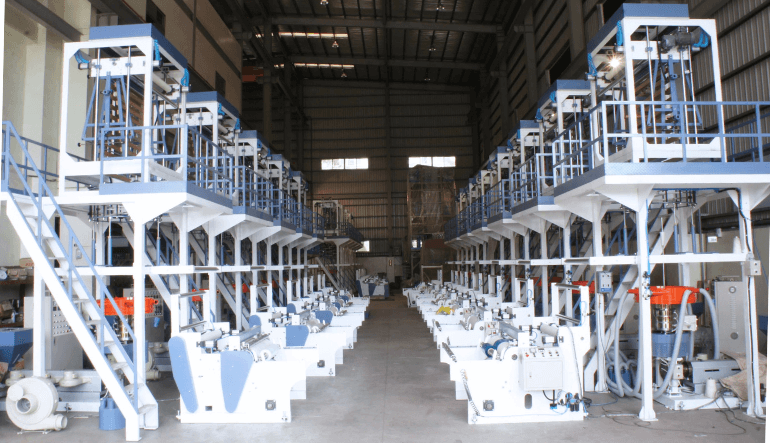
Super Provider of Essential Blown Film Line for the "Unmanned Factory"
Global manufacturing has been struggling in recent years to address the labour shortage. The wave of automation has arrived quickly due to the significant impact of global pandemic, wars, and other "black swan" effects - and the market's industrial upgrade is about to occur. Right now, it appears that there is a major global supplier of film-blowing technology who has been quietly offering automated equipment solutions for years, aiding in the establishment of "unmanned factories," and strongly supporting these film manufacturers to successfully pass the "post-pandemic era." Chyi Yang Industrial Co. is the super provider of this key blown film line solution.
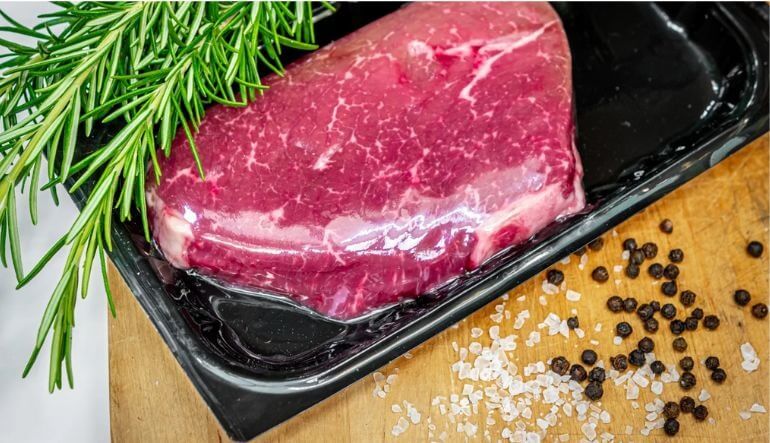
The Multilayer Film Boom: Why Companies are Investing
International Plastics News for Asia | Chi-Chuan Cheng The Multi-Layer Co-Extrusion Film Blowing Machine plays a vital role in modern plastic production with its benefits of high efficiency, automation, precision, and energy efficiency. It finds applications not only in food, building materials, and agriculture but also in fields like medicine, chemical, and electronics.
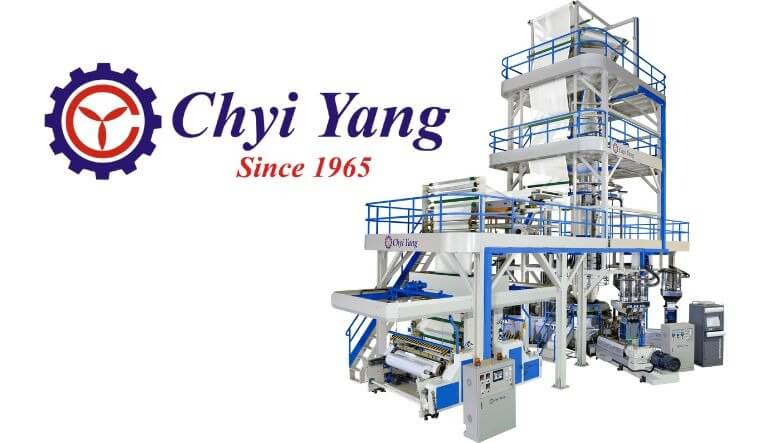
Quality Triumphs Cost ── Lessons from a Leading Vietnamese Industrial Player CHYI YANG's Customer-Centric Approach
International Plastics News for Asia | Chi-Chuan Cheng The crucial consideration for manufacturers is whether to cut costs or enhance value. There is a well-established plastic film producer located in Hanoi, Vietnam, which a few years ago purchased blown film machines from the renowned quality-driven company, Chyi Yang. However, due to price considerations, the factory later shifted to purchasing low-cost multilayer blown film machines manufactured in China, temporarily expanding its production capacity. Despite momentarily stepping back from the price competition, Chyi Yang remains steadfast in its commitment to quality-driven development, continuously innovating and advancing with the introduction of various styles of 5-layer / 7-layer co-extrusion blown film machines.
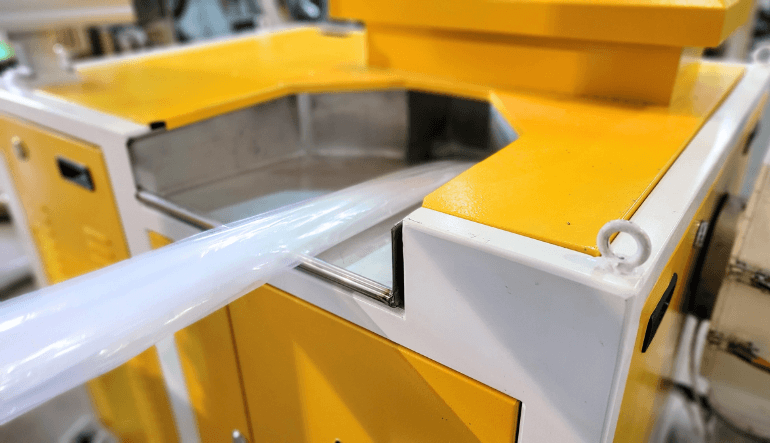
Path to a Greener Tomorrow── CHYI YANG's CFV Solutions of Precision and Sustainability
Global environmental awareness has prompted the manufacturing industry to transition towards green production. The need for "carbon reduction" in the CFV stages has led the global blown film manufacturing industry to pursue sustainable development solutions. Chyi Yang's 5-layer / 7-layer co-extrusion blown film machines have become a key player in today's green supply chain due to their three key advantages: "Big Data Analysis," "Precision Formulation and Calculation Functions," and "Recycled Waste Technology Innovations" in their multi-layer blown film machines. The international blown film manufacturing market also recognizes the indispensability of Chyi Yang in the trend of carbon reduction.
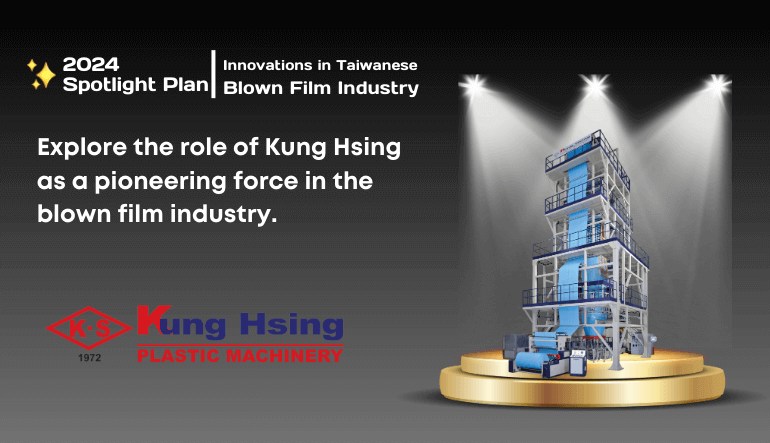
Innovations in Taiwanese Blown Film Industry: Explore the role of Kung Hsing as a pioneering force in the blown film industry
As an innovative leader in the Taiwanese blown film sector, Kung Hsing, with over 50 years of accumulated experience, collaborates with customers to drive innovation. Facing the diverse needs of customers and various issues in blown film, how does Kung Hsing continuously progress, and provide blown film equipment that is superior for film factories worldwide?