


 English - EN
 繁體 - ZH-TW
 简体 - ZH-CN
 Español - ES
 日本語 - JA
 العربية - AR
 Русский - RU
 Français - FR

近期更新 立即订阅
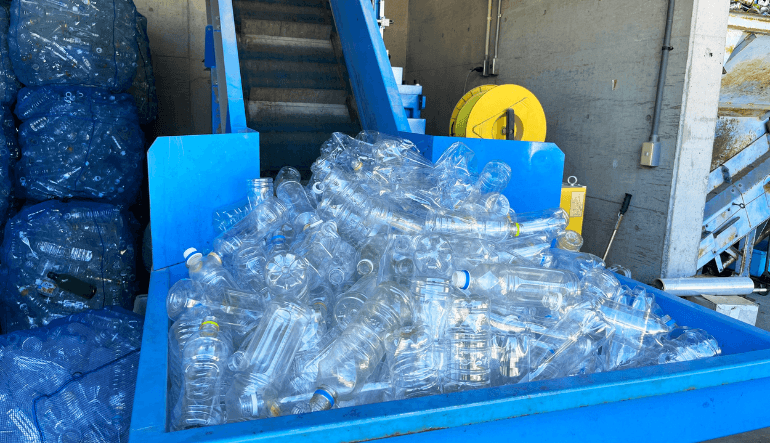
The Age of Parity: How Middle East Disruptions are Crowning Recycled Plastics as the New King
The traditional pricing logic of the global plastics industry has officially been rewritten. Until 2025, virgin resin reigned supreme as the cheap, abundant, and reliable default for manufacturers worldwide. However, as geopolitical tensions in the Middle East transition from temporary shocks to structural shifts, the market is waking up to a new reality: the era of cheap virgin plastics is over, and recycled materials are stepping up to claim the throne.
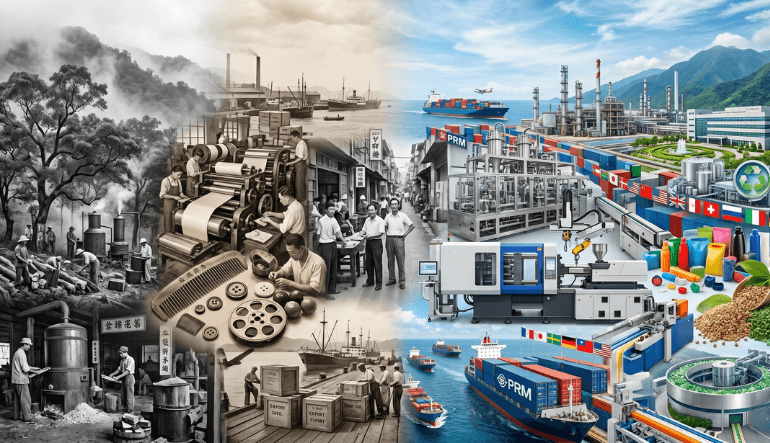
From Middle East Oil to Formosan Forests: The Surprising Origins of Taiwan’s Plastic Kingdom
The global plastics market is currently navigating a period of profound uncertainty. With geopolitical instability in the Middle East—the world’s primary artery for petroleum and plastic resins—supply chains are feeling the squeeze, and prices are fluctuating wildly. This modern crisis serves as a stark reminder of how deeply the industry is tethered to oil. But what if I told you that Taiwan’s journey to becoming a global "Plastic Kingdom" didn't start with petroleum? In fact, long before the first oil refinery was built on the island, Taiwan held a dominant 70% to 80% share of the world’s supply of the earliest mass-produced plastic material. Considering Taiwan does not produce a single drop of crude oil, how did it conquer the world stage? The answer lies in a mysterious, organic raw material that predates modern synthetics: Celluloid.
Navigating the Ripple Effect: Circular Resilience Amidst Global Energy & Market Volatility
As the global plastics industry moves through the second quarter of 2026, the landscape is being reshaped by a complex war between geopolitical instability and rapid technological evolution. While external pressures on the oil market persist, the industry is finding its footing through an intensified focus on the "Power of Recycling" and technological breakthroughs in chemical and biological processing.
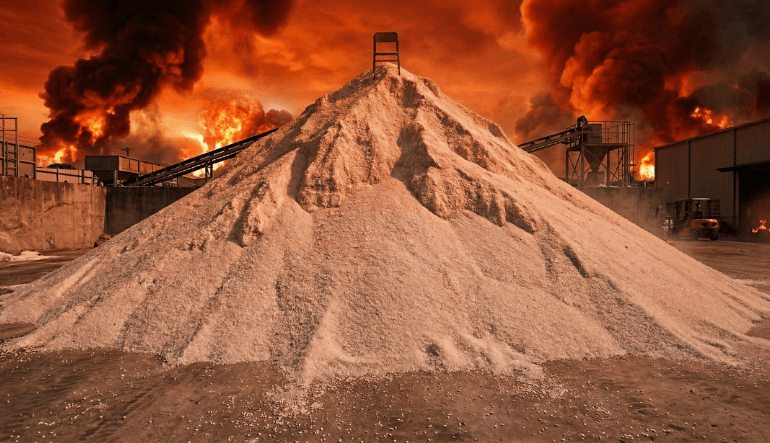
Oil Crisis, Resin Shortage, and the Recycling Comeback
Q1 2026 was anything but quiet. The Iran–U.S. conflict disrupted global oil supply, sending virgin resin prices through the roof. Distributors hoarded stock. Manufacturers scrambled for raw materials. And just like K-Show 2025 foreshadowed — when chaos hits the supply chain, the world turns back to recycling. This quarter proved it once again.
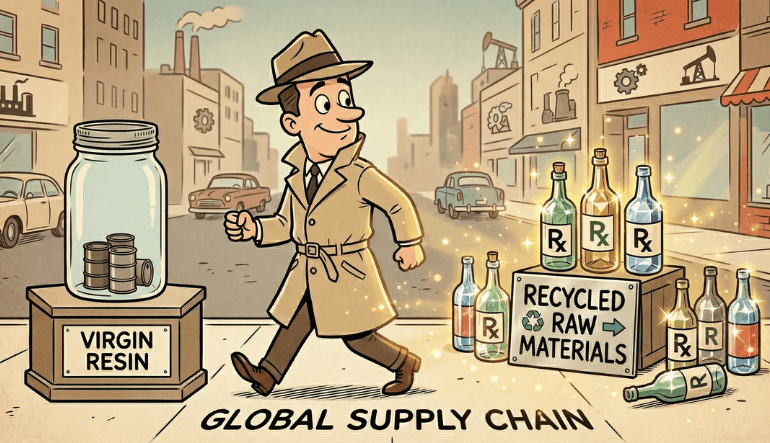
Special Report: Geopolitical Shocks Paralyze Virgin Plastic Supply—Is Recycled the Only Way Out?
The global plastics market has entered a state of high-alert. As the conflict in the Middle East escalates, the paralysis of the Strait of Hormuz is no longer just a headline—it is a direct threat to the manufacturing floor. With crude oil breaching the $100 mark and freight surcharges soaring, the industry is witnessing a dramatic decoupling of supply and demand.
 speed boat sailing along the Persian Gulf near a cargo vessel. Nurphoto | Nurphoto | Getty Images_1774425194.png)
Global Resin and Rubber Crisis 2026: Navigating the Double Squeeze of Iran War and Regulations
The global plastics and rubber industry has entered a period of profound volatility. What began as a series of isolated supply chain hiccups has coalesced into a systemic "Double Squeeze": a simultaneous surge in raw material costs driven by geopolitical instability and a structural shift in supply caused by aggressive environmental mandates. As of late March 2026, oil prices are not at an absolute all-time high in nominal terms, but are trading at intense, elevated levels above $100 a barrel following disruption in the Middle East, while some specific Asian benchmarks have hit records, reaching all-time highs above $150 per barrel.
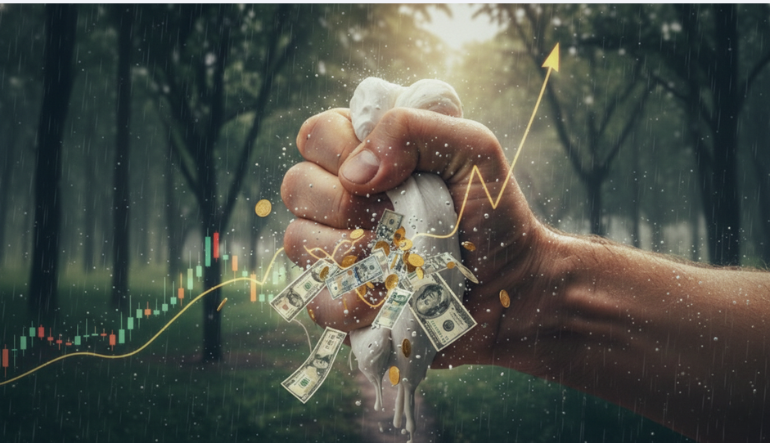
The Rubber Market’s "Structural Squeeze": Navigating a High-Cost Frontier
As we move through early 2026, the global rubber industry is no longer merely experiencing a cyclical price hike; it has entered a period of "Structural Squeeze." While global GDP growth remains conservative, the demand for rubber—particularly high-performance natural grades—is decoupling from broader economic trends, driven by the relentless expansion of the electric vehicle (EV) sector and new, stringent environmental mandates.

The Polymer Pipeline: How the Iran War is Shaping Global Plastics
March 9, 2026 — The ongoing military escalation between the United States and Iran has pushed the global plastics industry into a period of acute instability, stripping away the luxury of "just-in-time" supply chains and exposing the structural fragilities of modern chemical manufacturing. At the heart of the crisis is a simple, harsh economic reality: the modern world is physically built upon a petrochemical foundation that is currently being rattled by the closure of the Strait of Hormuz—the narrow, high-stakes maritime corridor through which roughly 20% of global oil and significant volumes of liquid natural gas (LNG) flow.

Industry 5.0: Why the Plastics & Rubber Industry Needs a "Human Touch" Beyond Automation
In the fast-evolving world of manufacturing, we’ve barely settled into the "Smart Factory" era of Industry 4.0 before a new buzzword began echoing through the halls of the European Commission and major trade shows like CHINAPLAS: Industry 5.0.
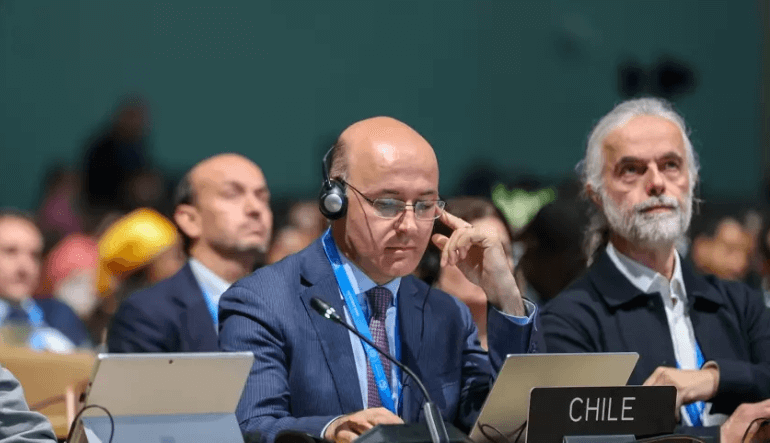
New Leadership, New Urgency: Julio Cordano Takes the Helm of Global Plastics Treaty Negotiations
GENEVA – In a move that signals a renewed push for global environmental regulation, Chilean diplomat Julio Cordano was elected as the new Chair of the Intergovernmental Negotiating Committee (INC) on February 7, 2026. Replacing the previous leadership after a period of stalled negotiations, Cordano’s appointment is seen as a "reset button" for the world’s most ambitious effort to end plastic pollution.
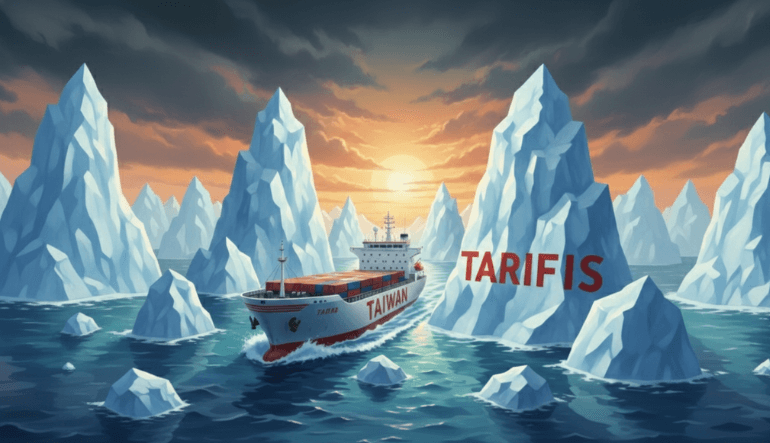
The 2026 U.S.-Taiwan Trade Deal: Why 15% is the Magic Number for Machinery Buyers
In the wake of the historic trade agreement signed on January 15, 2026, the "clouds of uncertainty" over Taiwanese exports have finally begun to clear. For U.S. buyers of plastics and rubber machinery, this MOU (Memorandum of Understanding) isn't just a political milestone—it is a vital tool for supply chain stability. Taiwan is now one step ahead of other countries in clearing the clouds of an unstable trade war.
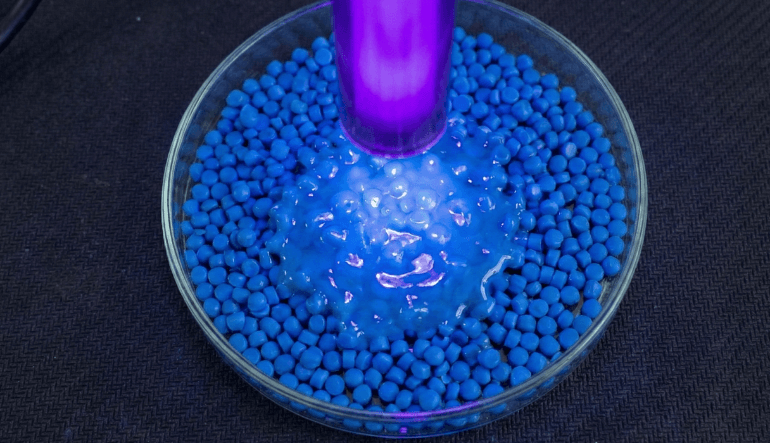
“自我毁灭”的科学:为何罗格斯大学的新型塑料可能改变游戏规则
在塑料行业中,我们已经习惯了“炒作与失望”的循环。我们不断听到关于“绿色解决方案”的消息,然而全球塑料污染的曲线却鲜有下降。市面上大多数“生物可降解”选项,例如聚乳酸(PLA),虽然比传统石油基塑料要好,但它们有明显的局限性。首先,它们是被动的;它们依赖特定的环境条件——高温、高湿和微生物——才能降解。