

 English - EN
  繁體 - ZH-TW
  简体 - ZH-CN
  Español - ES
  日本語 - JA
  العربية - AR
  Русский - RU
  Français - FR
Back-up Rings
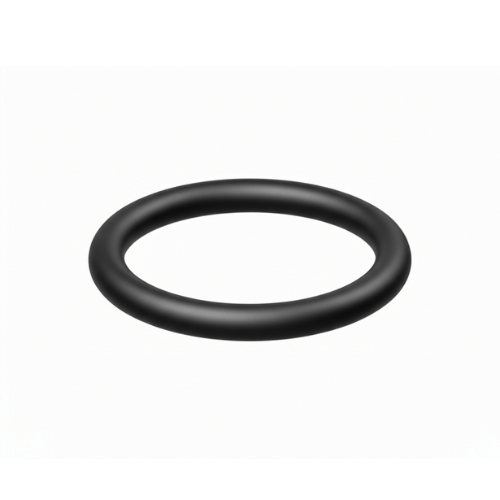
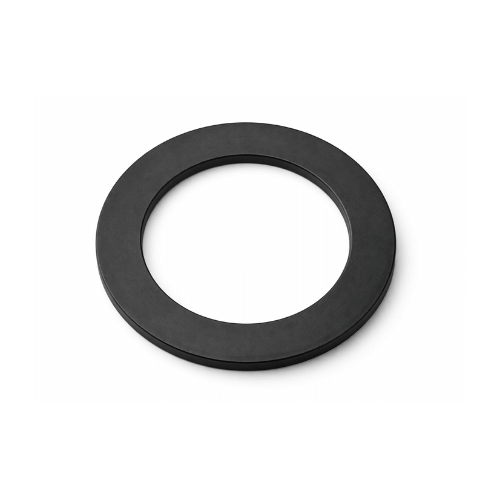
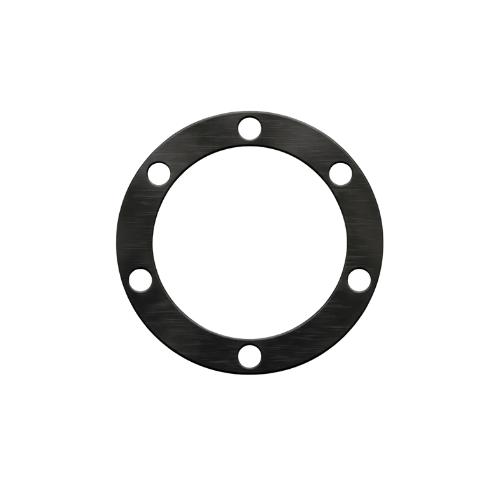
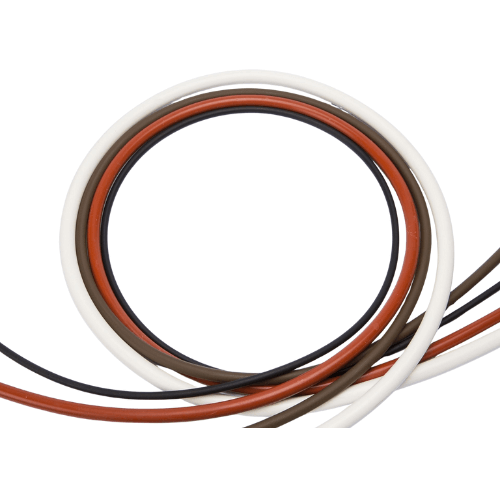
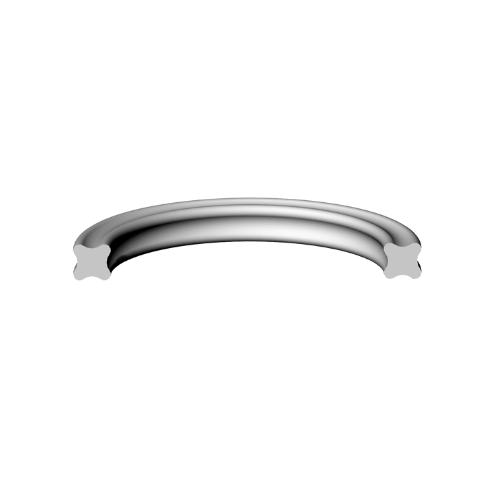
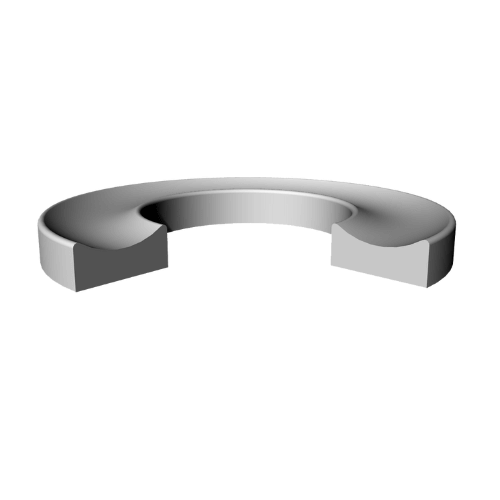
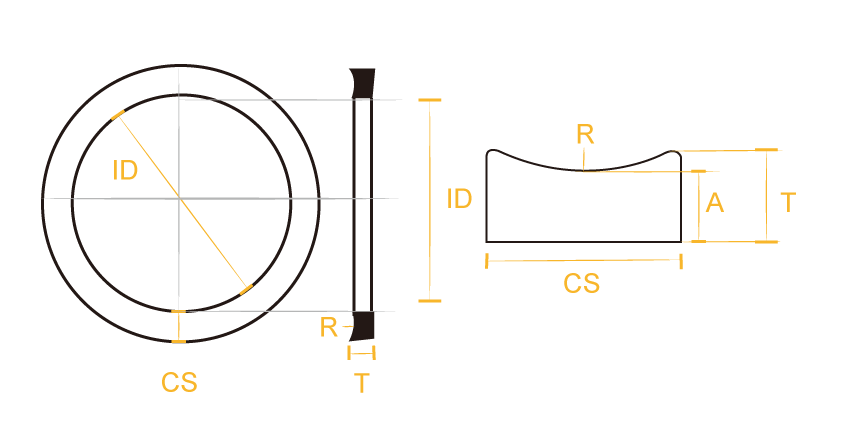
Back-up Rings are auxiliary sealing components installed alongside elastomeric seals, such as O-rings or X-rings. While they do not provide a primary seal themselves, they are critical for protecting the main seal and ensuring performance in high-pressure environments.
Operating Principle
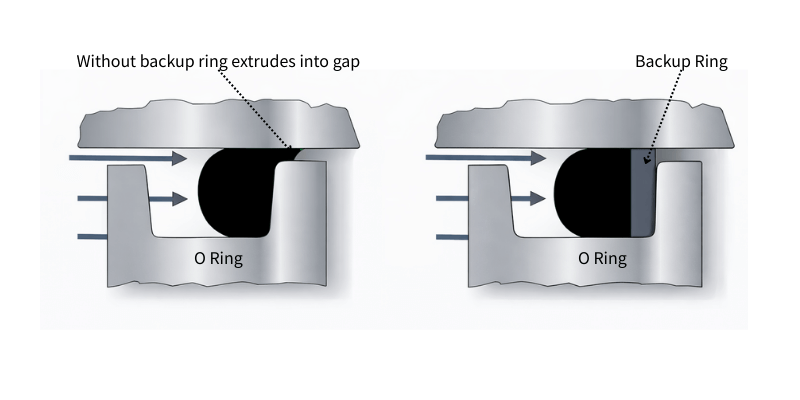
When pressure is applied, the primary seal (e.g., O-ring) tends to flow toward the lower-pressure side. If the clearance gap (extrusion gap) between metal parts is too large, the rubber material will deform and be squeezed into the gap, leading to damage. Back-up rings fill or significantly reduce this gap to keep the seal in its original groove.
Core Functions
- Extrusion Prevention:
Acts as a rigid barrier to bridge or minimize the seal clearance. - High-Pressure Support:
Made of hard materials capable of withstanding extreme pressure while keeping the elastomeric seal intact. - Extended Service Life:
Prevents extrusion-related wear, significantly increasing system reliability and seal longevity. - Enhanced Stability:
Provides extra structural support to the sealing element, improving overall system integrity. - Application Versatility:
Used in both static and dynamic applications with various seal types (O-rings, X-rings, etc.).
Classification & Types of Back-up Rings
Back-up rings are classified by their structure and the specific pressure requirements of the sealing system:
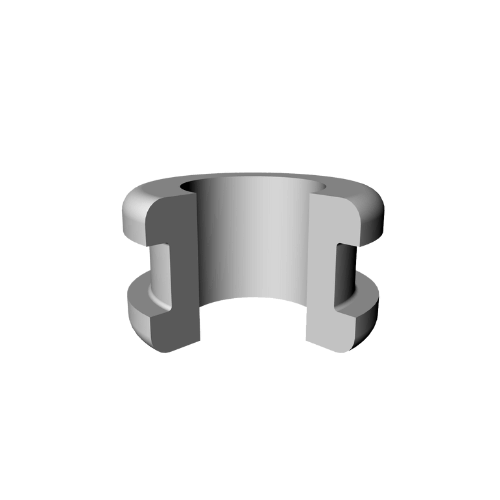
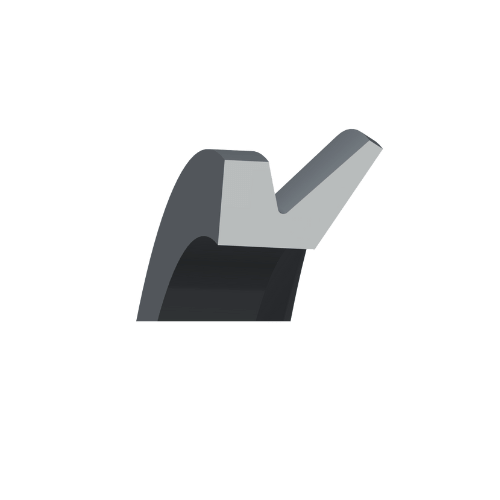
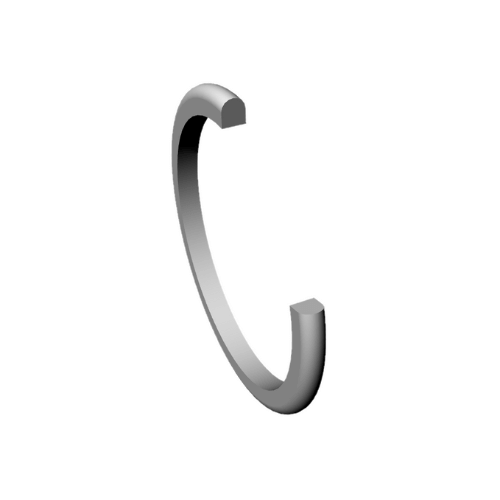
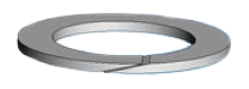
| Type | Solid Ring (Uncut) | Scarf Cut Ring | Split / Spiral Ring |
|---|---|---|---|
| Visual Illustration |  |
 |
 |
| Product | 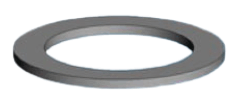 |
 |
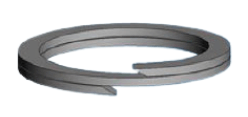 |
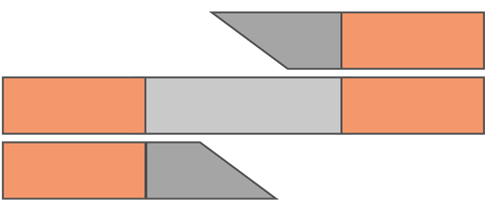
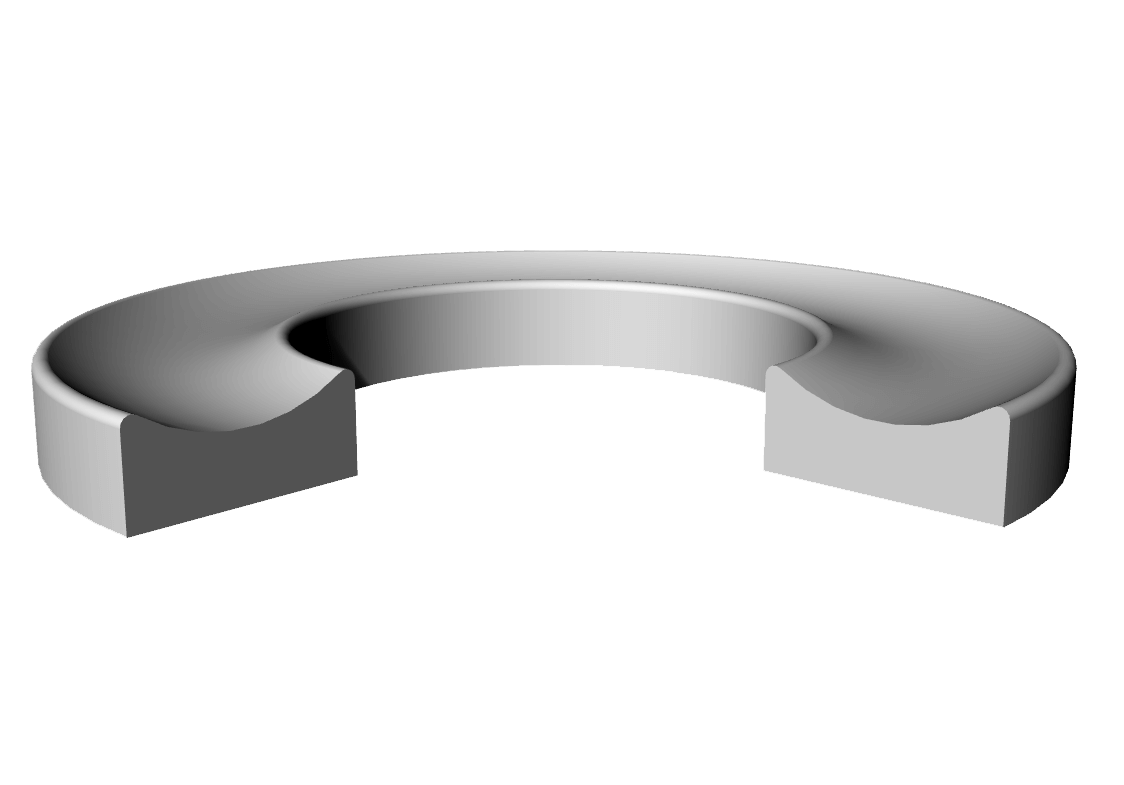
| Key Features | A continuous, uncut solid ring. | Features a diagonal cut at both ends to form a scarf joint. | Cut radially or manufactured in a spiral shape for expansion. |
| Applications | Ideal for disassemblable shafts/pistons; provides the highest structural support. | For non-disassemblable installations; superior sealing over straight-cut rings. | Perfect for on-site installations; easily passes over shaft shoulders. |
Installation Layouts
- Single Pressure Configuration:
One back-up ring is installed on the low-pressure side (one side only) of the O-ring. - Double Pressure Configuration:
Two back-up rings are installed on both sides of the O-ring to protect it from pressure applied from either direction.
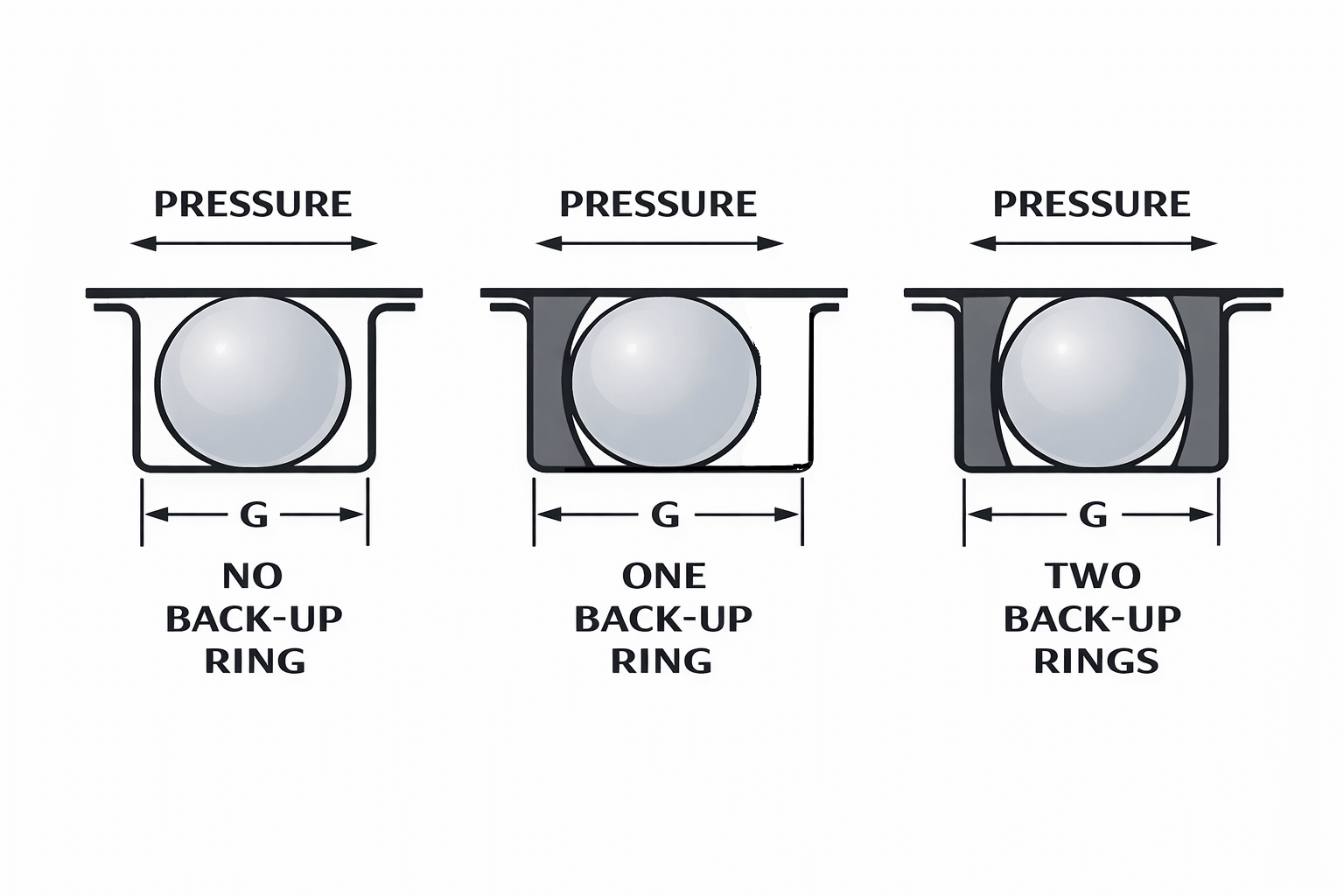
Diagram: Single vs. Double Pressure Layout
Recommended Operating Conditions
Choosing the right material and recognizing the appropriate conditions for back-up rings is essential for optimal equipment performance:
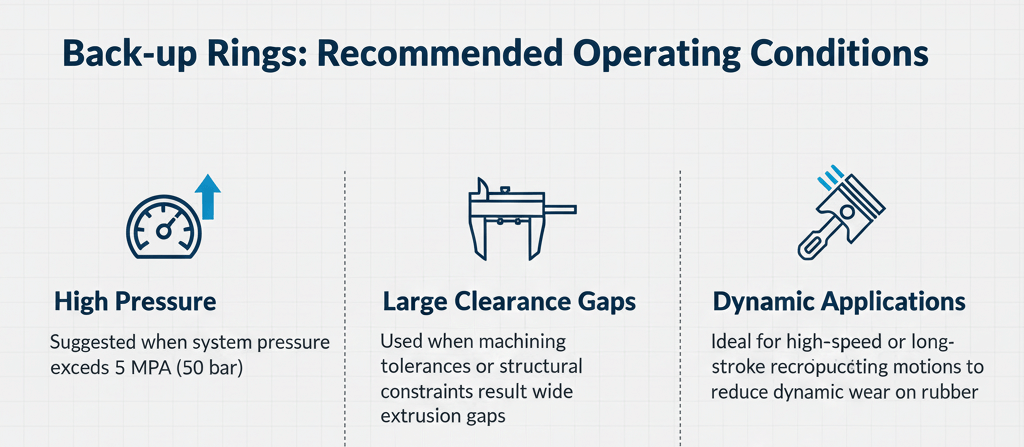
Exceeding 5MPa (50 bar).
Wide extrusion gaps due to tolerances.
High-speed/long-stroke motions.
Industry Applications
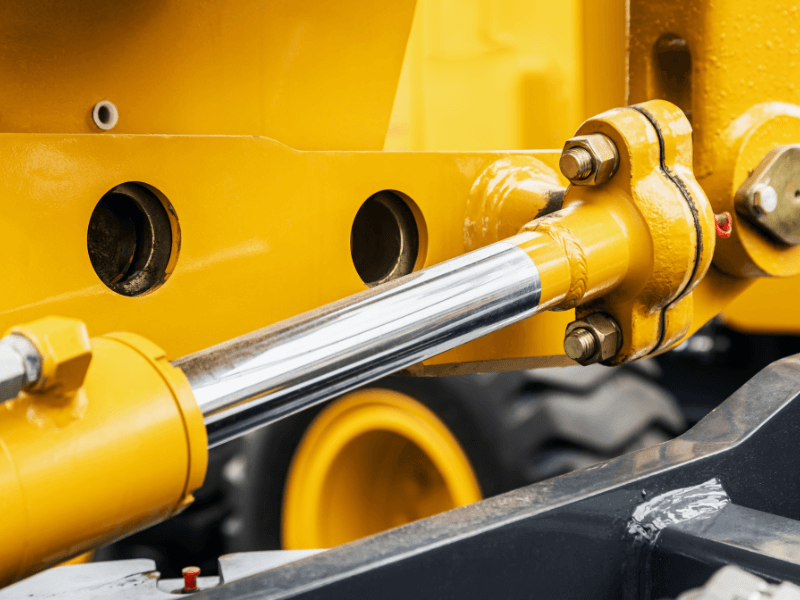
Hydraulic
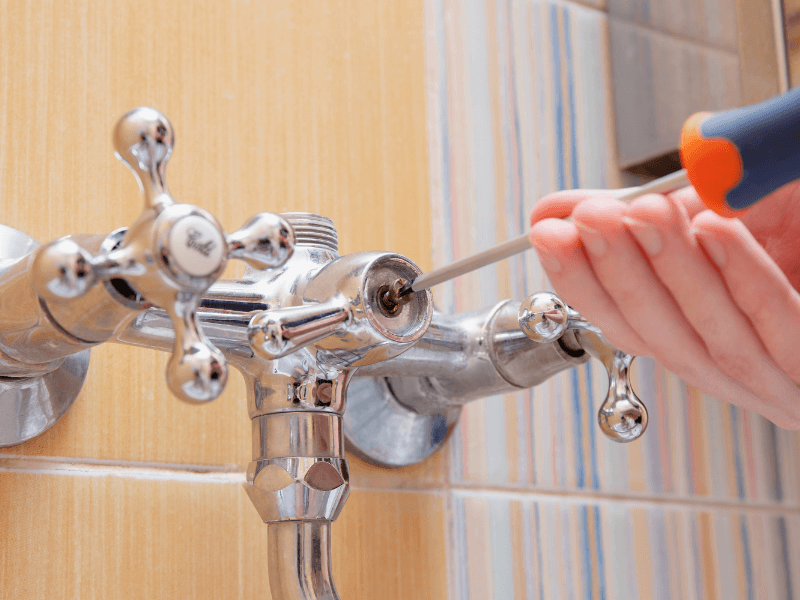
Pneumatic
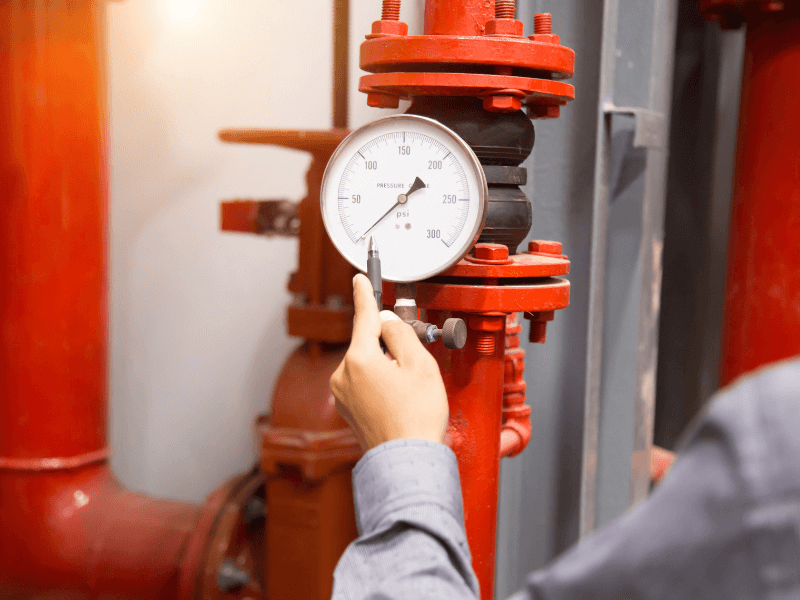
Aerospace
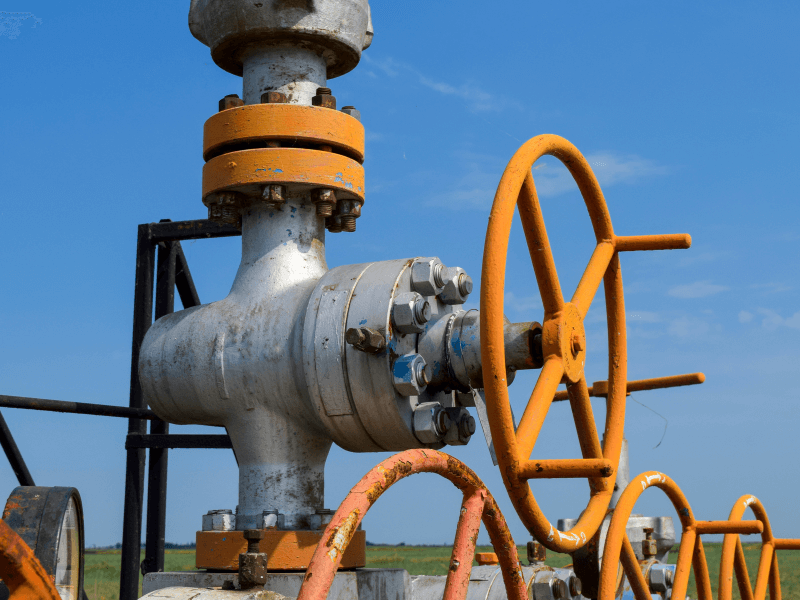
Oil & Gas
Automotive
Material Selection Guide
| Material | Temp Range (°F) | Comments and Typical Uses |
|---|---|---|
| Nitrile (NBR) | -20 to 212 | Highly abrasion-resistant; ideal for petroleum-based applications. |
| HNBR | -20 to 300 | Superior chemical/heat resistance and extrusion protection vs. standard Nitrile. |
| Viton® (FKM) | -15 to 400 | Outstanding resistance to high temperatures and aggressive chemicals. |
| POM / PEEK | -100 to 550 | High-modulus materials for extreme strength and wear resistance in specialized industrial use. |
| PTFE (Teflon) | -400 to 450 | Broadest chemical compatibility and lowest friction; handles extreme temp swings. |
Back-up Ring (Anti-Extrusion Ring) FAQ
Highly recommended in these scenarios:
- ⚙️ High Pressure: When system pressure exceeds 5MPa (50 bar).
- ⚙️ Large Gaps: When machining tolerances result in wide extrusion gaps.
- ⚙️ Extreme Temperatures: In heat where rubber seals soften.
- ⚙️ Dynamic Applications: High-speed or long-stroke motions.
Install 1 ring on the low-pressure side.
Install 2 rings, one on each side.
- ⚙️ Solid (Uncut): Provides the best 360° support; requires hardware disassembly for installation.
- ⚙️ Scarf Cut: Features a diagonal cut; ideal for easy retrofitting without full disassembly.
- ⚙️ Spiral Ring: Multi-turn design; compensates for large tolerances, ideal for on-site maintenance.
Most popular choice; offers extremely low friction and high chemical resistance.
Higher mechanical strength and better extrusion resistance than PTFE.
Engineered for extreme durability, high pressure, and high-temperature service.