

 English - EN
  繁體 - ZH-TW
  简体 - ZH-CN
  Español - ES
  日本語 - JA
  العربية - AR
  Русский - RU
  Français - FR
Three Strategic Takeaways for Global Buyers and Supply Chain Decision-Makers
Day 2 of CHINAPLAS 2026 was less a product showcase and more a strategic realignment signal for anyone sourcing plastics machinery, materials, or integrated solutions in Asia. PRM distills the day into three takeaways directly relevant to global buyers, OEMs, converters, and brand owners evaluating their Asian supply chain strategy:
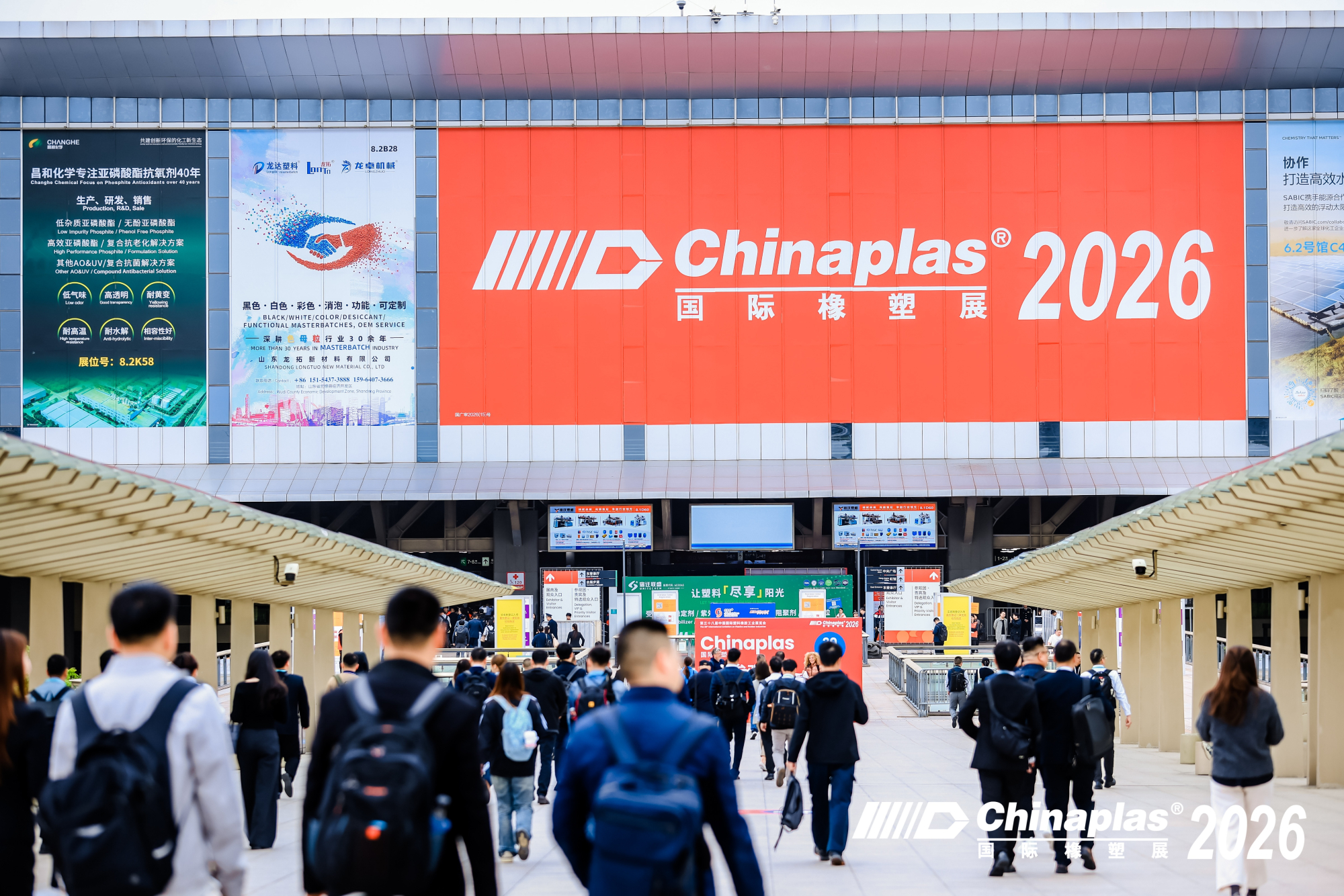
First, "Local for Local" is no longer optional—it's now a qualifier for supplier shortlists.
When BASF runs 95% local production in Asia Pacific, ENGEL localizes 60% of Asian-sold machines, and Kingfa's North American plant comes online in Q3, the implication for buyers is straightforward: suppliers without credible local manufacturing and service networks in your target region will increasingly fall behind on lead time, cost, and responsiveness. The eight-month-to-three-month delivery compression ENGEL described isn't unique to China—it's coming to every major manufacturing hub. Evaluating a supplier's local footprint should now carry the same weight as evaluating their technology.
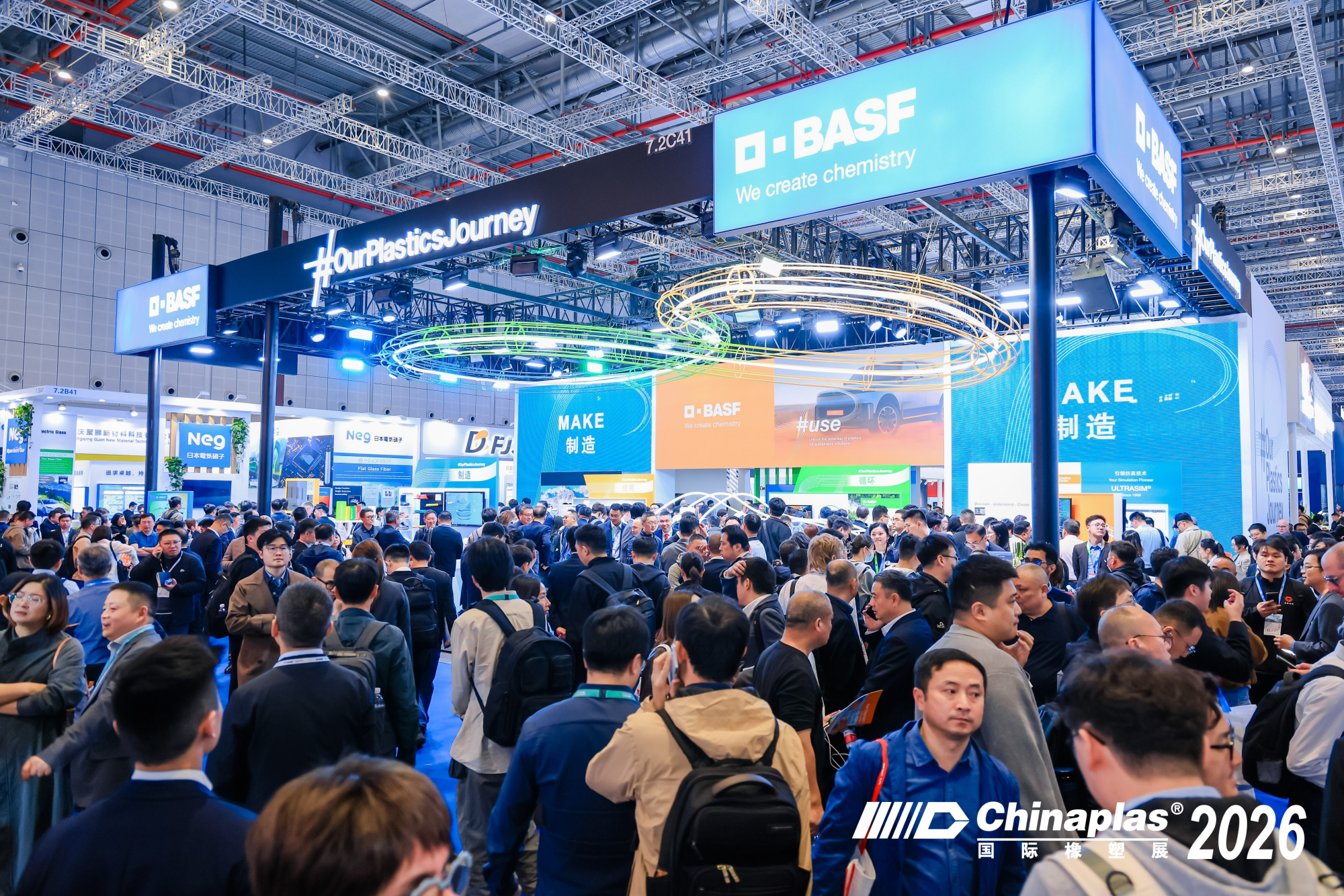
Second, the shift from "single-material substitution" to "system-level material architecture" changes how sourcing decisions should be structured.
BASF's framing—"moving from single-material substitution to system-level material architecture design"—has direct procurement implications. Buyers working on EV battery packs, humanoid robotics, automotive lightweighting, or next-generation electronics cooling can no longer optimize material choices in isolation. The suppliers who win the next cycle are those offering integrated design collaboration from Day One, not just material datasheets. For buyers, this means fewer transactional RFQs and more joint-development partnerships—with the corresponding shift in how supplier relationships get governed, contracted, and measured.
Third, humanoid robotics and NEV lightweighting are the two demand pools where capacity is being built right now—buyers who wait for "proven production cases" will arrive late.
All four Day 2 companies independently placed humanoid robotics and NEV lightweighting in their formal presentations. This isn't coincidence—it's industry consensus that these two arenas are moving from vision stage to capacity preparation stage over the next 3–5 years. For brand owners and OEMs in automotive, robotics, consumer electronics, and industrial automation, the window to lock in supplier relationships, joint development agreements, and material qualification timelines is now, not after the first mass-production orders are announced. ENGEL's 35-unit Clearmelt order from a single Chinese automaker is a preview of how fast these commitments can materialize once a category tips.
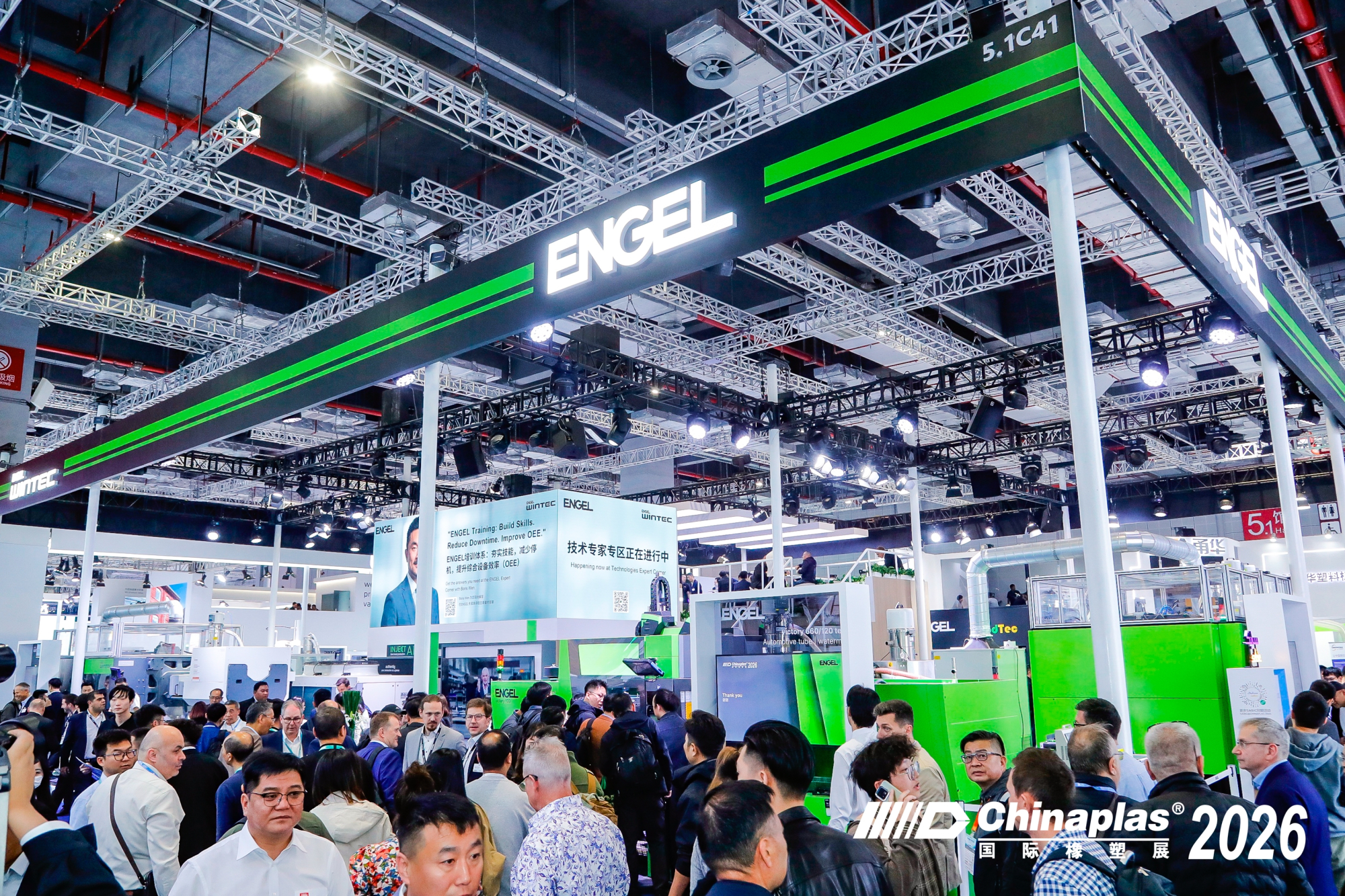
Day 2 is in the books. CHINAPLAS 2026 officially opens its four-day main exhibition tomorrow, and it will be the real battlefield where every strategic statement we heard today gets translated into actual machines, materials, and forum dialogues on the floor. ENGEL's Clearmelt automotive line, BASF's solid-state battery pack and humanoid robotics full-stack material architecture, Kingfa's "three 100-million-ton" circular economy system, ARBURG's localized production machines—every strategic message from Day 2 will be stress-tested by customers, media, and competitors in the exhibit halls and forum rooms over the next four days. PRM stays on the ground, bringing first-hand observations to the global plastics and rubber community.